Understanding Repeaters in VHF/UHF Communications
When it comes to improving the range and quality of VHF/UHF communications, repeaters play a crucial role. These systems are designed to help transmitters and receivers communicate over much greater distances than would be possible through direct communication. Understanding how these systems work is essential for anyone engaged in amateur radio or other forms of wireless communications.
What is a Repeater?
A repeater is a device that receives a signal on one frequency and retransmits it on another. Typically used in VHF and UHF bands, repeaters are strategically placed to maximize their coverage area. They are usually located at high altitudes such as towers or high buildings to extend the communication range beyond the typical line-of-sight limitations.
Components of a Repeater System
A typical repeater system includes several key components:
Receiver: The receiver captures the incoming signal and sends it to the controller for further processing.
Transmitter: After the signal is processed by the controller, it is sent to the transmitter, which then broadcasts it on a different frequency to reach farther distances.
Controller: Often considered the brain of the operation, the controller manages the functions and settings of both the receiver and transmitter. It plays a pivotal role in ensuring the system works cohesively, adhering to required protocols and operational parameters.
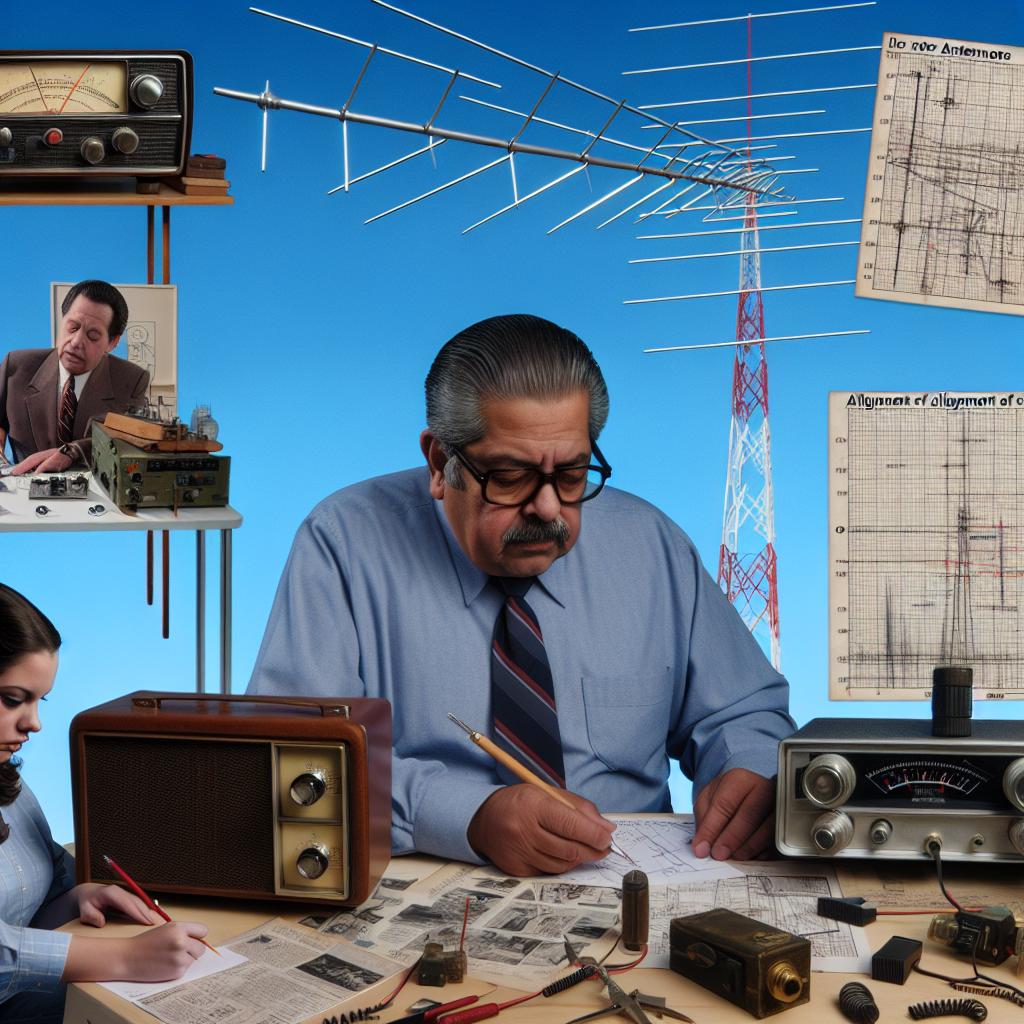
Antenna: The physical component that interacts with the environment, the antenna sends and receives signals within the desired coverage area. Its positioning and design are crucial for optimal performance.
Additional Components and Functions
While the core components make up the backbone of a repeater system, there might be additional elements such as:
Duplexers: These are used to allow simultaneous reception and transmission on a single antenna, effectively separating the incoming and outgoing signals to prevent interference.
Power Supply: Ensuring consistent energy provision to the system, the power supply is crucial for round-the-clock operation, often equipped with battery backups to safeguard against power outages.
Cooling System: Given the operational strain and heat generation, especially at high power levels, a cooling mechanism may be employed to maintain optimal working temperatures.
How Repeaters Enhance Communication
Repeaters effectively increase the communicating range between two or more stations by amplifying the signal, broadcasting it with greater power from an elevated location such as a tower or hilltop. They can overcome geographical and structural obstacles that typically limit direct line-of-sight communication, thereby facilitating reliable contact over expanded areas.
Frequency Shifts and Offset
One critical aspect of using repeaters involves understanding frequency offsets. Repeaters receive on one frequency while transmitting on another, and this difference is known as the offset. It is important for communication equipment to be set correctly to match these offsets to use a repeater successfully. In VHF/UHF operations, the offset is standardized in most cases, simplifying the process for operators.
Importance in Overcoming Challenges
The utilization of repeaters is particularly significant in regions where natural terrain and urban structures pose challenges to direct communications. By repositioning the source of transmission to a higher altitude, be it a mountain or a tall building, repeaters act as a strategic intermediary to bypass obstacles, ensuring signals remain robust and consistent.
Accessing a Repeater
To access a repeater, users typically need the correct input and output frequency settings, along with an understanding of any required digital modes or privacy codes.
CTCSS and DCS
To manage access and streamline functionality, repeaters often employ sub-audible tones such as Continuous Tone-Coded Squelch System (CTCSS) or Digital Coded Squelch (DCS). These tones ensure that signals from properly equipped and authorized users can access and trigger the repeater. By doing so, they prevent unauthorized or accidental use, thereby maintaining the integrity and availability of the communication channel.
Guidelines for Using Repeaters
Utilizing repeaters effectively often involves adherence to a few guidelines and protocols:
Identification: It’s customary to identify yourself with your call sign or identifier when engaging in communication over a repeater.
Understanding Repeater Etiquette: Due to shared usage, being courteous—such as allowing time between transmissions for others to join or emergency uses to interrupt—is crucial.
Maintaining Legal Compliance: Ensuring that transmissions adhere to local regulations and laws, including power restrictions and licensing requirements, is necessary for lawful operation.
Applications of Repeaters
Repeaters find applications across a spectrum of fields, proving indispensable in:
Amateur Radio: Enthusiasts in the amateur radio community frequently utilize repeaters to conduct long-range communications, experiment with signal propagation, and connect with fellow hobbyists.
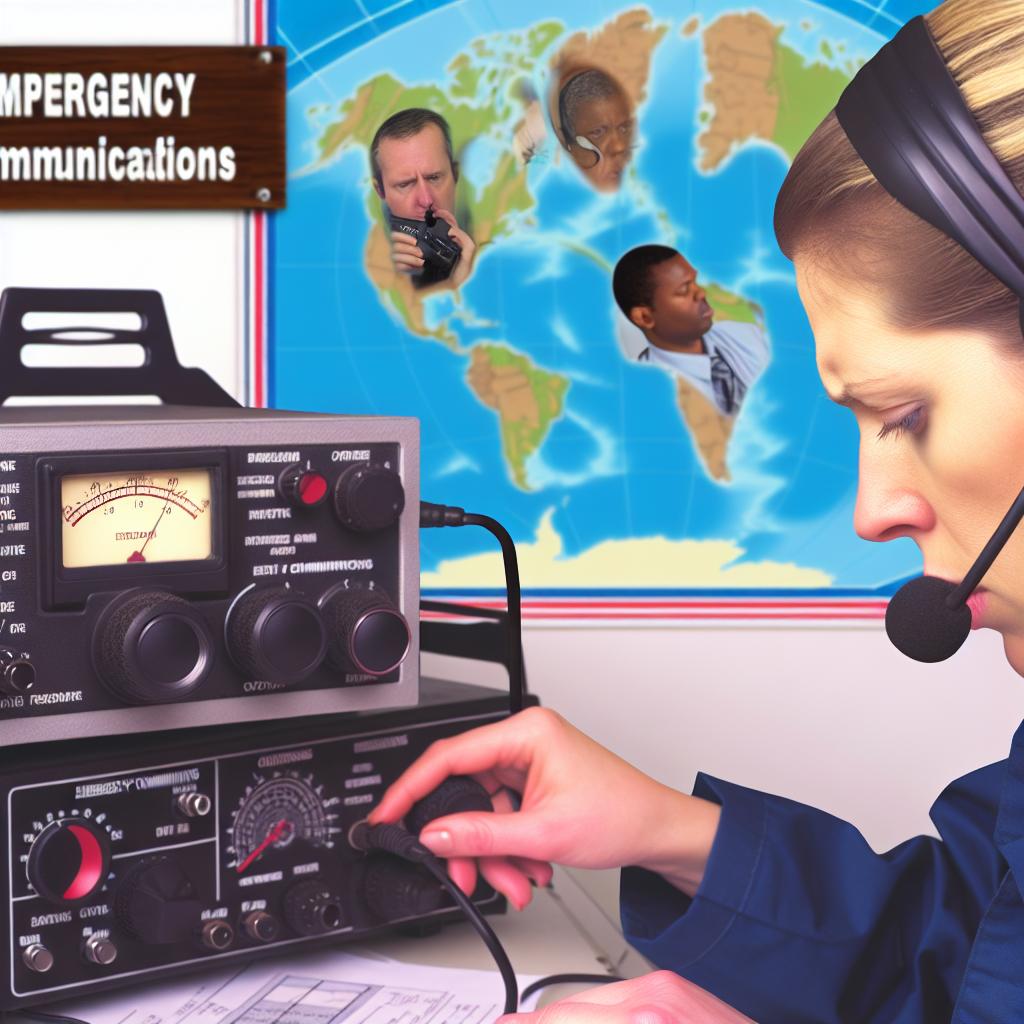
Emergency Services: In scenarios like coordinated disaster response and public safety operations, repeaters enhance the efficacy of communication networks, ensuring information flow remains uninterrupted.
Commercial Use: Businesses relying on consistent and broad communication channels for their operations often deploy repeater systems to maintain efficiency and coverage.
Future Prospects and Developments
As technological advancements continue, so does the development of repeater systems. Innovations like digital repeaters, which introduce encryption and advanced signal processing, are making communications even more secure and efficient. Furthermore, the integration of GPS-based synchronization in repeater networks opens up new avenues for precision in timing and coordination, critical in complex operations.
Understanding and utilizing repeaters effectively can significantly improve communication capabilities, ensuring messages are transmitted over greater distances with clarity and reliability. For those keen to explore VHF/UHF communication systems and repeater technology further, engaging with communities and resources focused on amateur radio and related fields can be immensely beneficial. Here is a useful resource for deeper exploration of amateur radio practices.