Introduction to Ham Radio in Space Communication
Ham radio, also recognized as amateur radio, has played a significant part in the realm of space communication, contributing notably to the communication frameworks used in human space exploration endeavors. Utilizing the electromagnetic spectrum to transmit and receive signals across extensive distances, ham radio operators have consistently provided essential support to various space missions. This communication modality provides a reliable means of connecting without the dependency on traditional terrestrial infrastructure, making it indispensable in the ever-expanding field of space exploration.
The Basics of Ham Radio
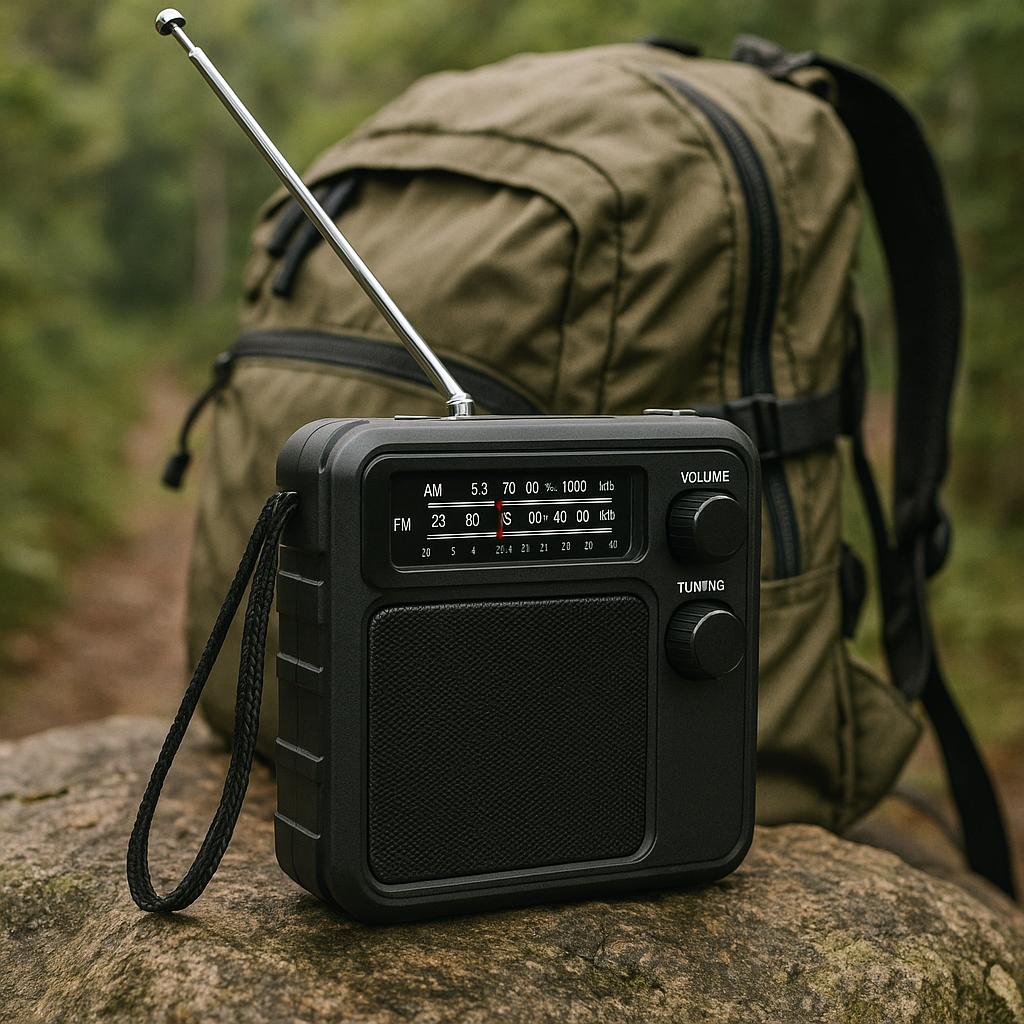
Ham radio operates on specific frequency bands, which are allocated by international and national regulatory bodies like the International Telecommunication Union (ITU) and Federal Communications Commission (FCC). These frequency bands allow amateur radio operators to engage in communication not only with people around the world but also with those stationed in space. The typical equipment used by ham radio operators includes transceivers, which serve the dual purpose of transmission and reception, antennas for sending and receiving signals, and other necessary accessories, all contributing to effective and efficient communication.
Understanding Frequency Bands
The specific allocation of frequency bands for amateur radio is crucial for organized communication. Different bands facilitate communication over diverse distances and under varying conditions, depending on factors like atmospheric layers and time of day. These bands are categorized on the basis of wavelengths, such as HF (High Frequency), VHF (Very High Frequency), and UHF (Ultra High Frequency). Each band serves distinct purposes, from long-distance communications that bounce off the ionosphere to direct line-of-sight exchanges.
Equipment Used by Ham Radio Operators
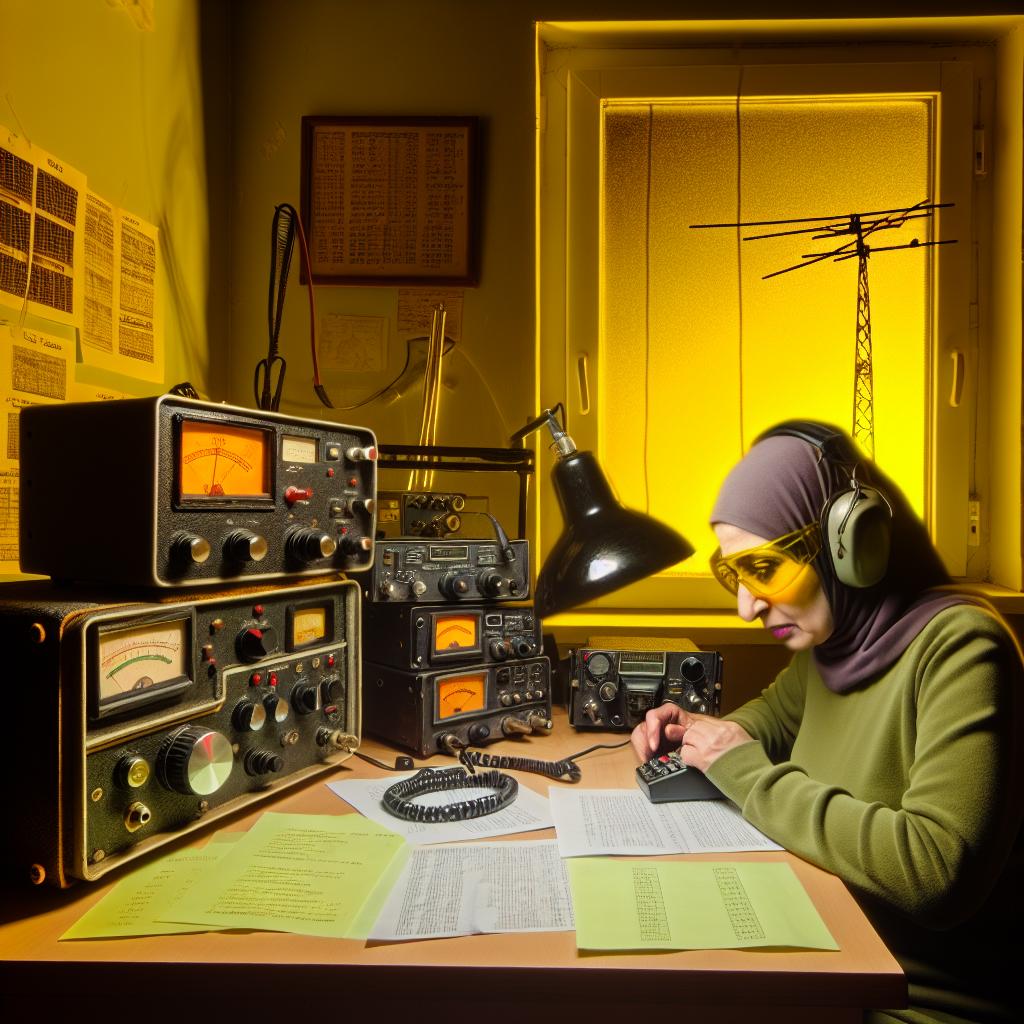
For communication to be successful, the equipment used is of vital importance. A typical setup includes a transceiver which is capable of both transmitting and receiving signals. This core device, paired with an effective antenna system, becomes the centerpiece of an operator’s station. Additionally, operators often equip themselves with supporting tools such as tuners, amplifiers, and software defined radios (SDRs). As technology progresses, more sophisticated digital modes and interfaces are being integrated into amateur radio setups, improving effectiveness and accessibility.
Ham Radio’s Contribution to Space Missions
The historical context of ham radio’s involvement in space missions illustrates its significance. During pivotal events like the Apollo missions, amateur radio networks played a key role by filling communication voids between spacecraft and ground stations. They facilitated the exchange of telemetry data and provided additional channels of communication when traditional systems were overcrowded or compromised. This enabled mission control teams to maintain contact with astronauts, ensuring seamless operations and enhanced safety measures.
International Space Station (ISS) Operations
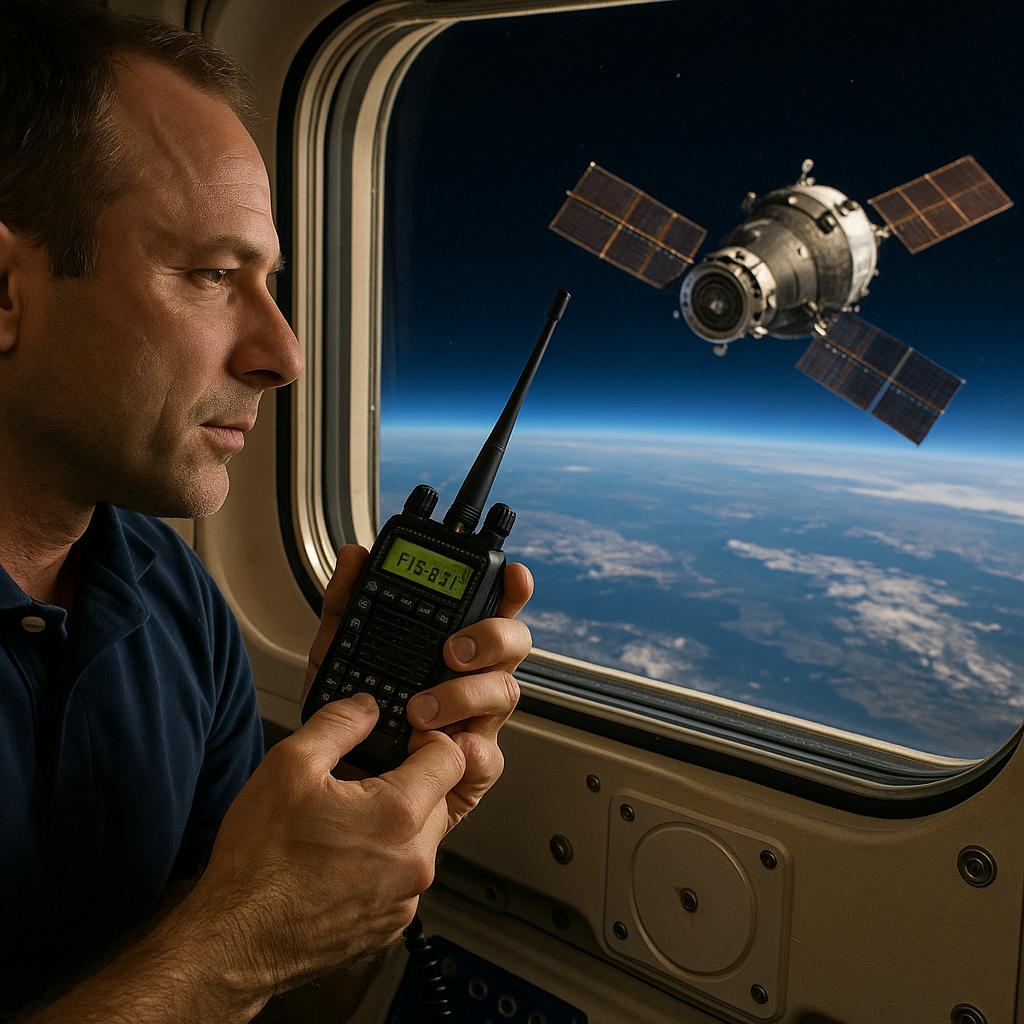
The International Space Station is a remarkable laboratory that orbits Earth, relying on robust communication channels for operation and outreach. Ham radio is integral to ISS operations, offering a unique platform for the crew to interact with communities on Earth. Often, astronauts use ham radio to establish communication with schools and amateur radio enthusiasts globally, promoting educational initiatives and public outreach. These interactions not only foster a deeper understanding of space science but also humanize space exploration, bringing it closer to everyday individuals.
Educational Outreach via Ham Radio
A significant and impactful role of ham radio is its contribution to educational programming, particularly through initiatives like the Amateur Radio on the International Space Station (ARISS). This program enables young learners and educators to establish real-time connections with astronauts aboard the ISS. Such opportunities bring the concepts of space exploration directly into classrooms and homes, reigniting interest in space sciences and exploration. By engaging students with live conversations, ARISS facilitates inspiration and enthusiasm for science, technology, engineering, and mathematics (STEM), encouraging young minds towards careers in these fields.
The ARISS Program’s Impact
The ARISS program proves to be an influential endeavor by creating memorable experiences for students and educators alike. These live communications offer a unique glance into the lives and duties of astronauts, making space exploration engaging and accessible. Schools often prepare in advance to maximize the educational potential of these contacts, incorporating related curriculum topics to further enhance learning. The global network of ground stations ensures smooth transmissions, connecting learners from different parts of the world directly with outer space.
Challenges and Future Prospects
Despite the successes, the field of ham radio in space communication does not come without its challenges. Operators face interference issues due to the increasing density of communication technologies and signals on Earth. Regulatory changes and spectrum reallocation also pose challenges, as they can limit the available bandwidth for amateur operators. Furthermore, the rapid pace of technological advancement requires continuous adaptation and learning by operators to stay relevant and effective.
Overcoming Technical and Regulatory Challenges
The journey of overcoming these challenges begins with advancements in technology and community efforts. Innovations in digital modes and software-defined radios provide new avenues for clearer communication, while educational and community programs help spread knowledge about best practices and compliance with regulations. Simultaneously, advocacy efforts by organizations like the American Radio Relay League (ARRL) aim to protect frequency allocations and support the continued relevance of amateur radio in modern communication landscapes.
Future Opportunities for Integration
As technology evolves, it presents exciting opportunities for ham radio’s future role in space missions. The integration of traditional ham radio techniques with developing communication technologies offers the potential for even more robust and reliable communication systems. Enhanced digital modes and satellite-based operations could expand reach and reduce latency, improving the quality of space communications. As interest in space exploration grows, so does the potential for ham radio to contribute in innovative and unexpected ways.
In conclusion, ham radio remains a vital component in the fabric of space communication. Its contributions, ranging from educational outreach to being an auxiliary communication channel in space missions, are invaluable. Those interested in exploring the field of ham radio and its application to space communication are encouraged to delve into avid learning and licensing opportunities. A range of resources and communities are readily available for budding enthusiasts, fostering the next generation of amateur operators who will continue to support the evolving landscape of space exploration.