Overview of Field Day
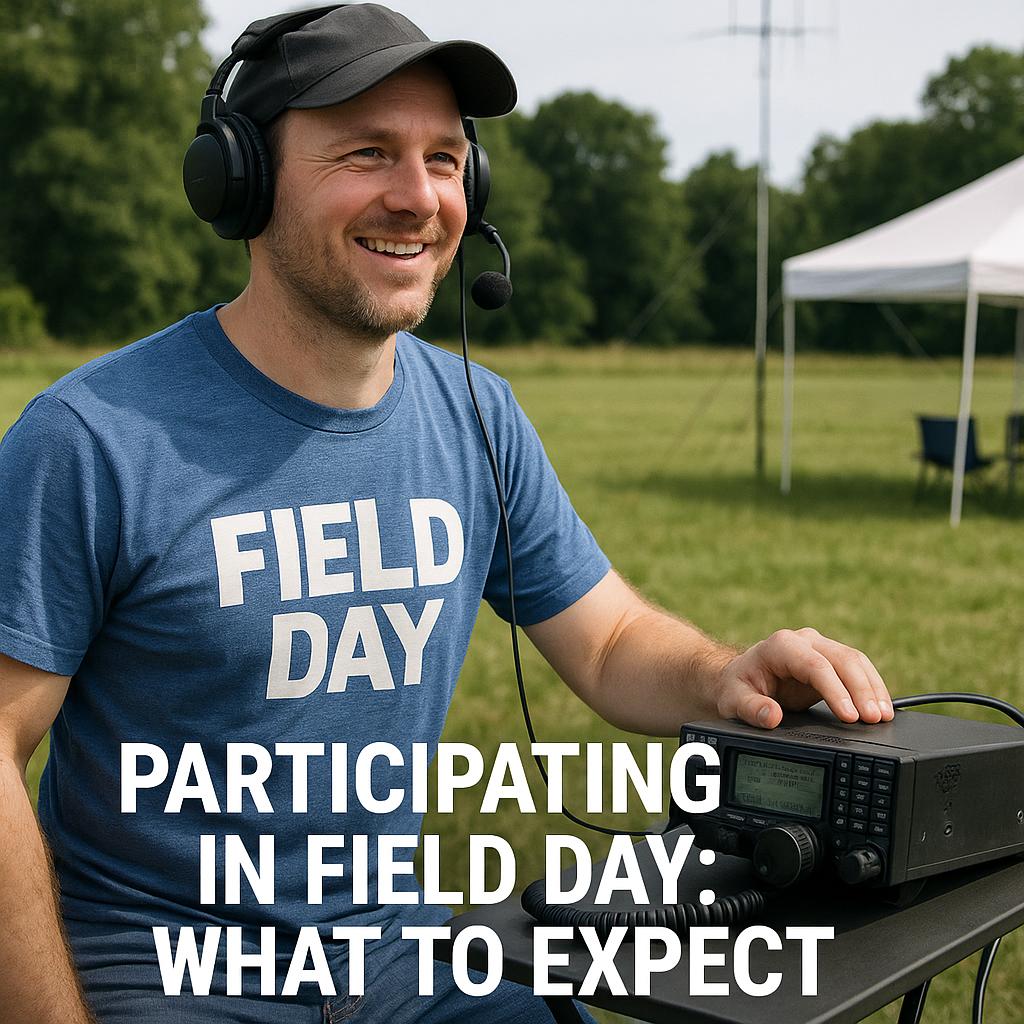
Field Day is an outdoor event featuring various physical and recreational activities designed to promote teamwork, fitness, and fun. It is a platform that not only encourages physical activity but also fosters a sense of community and camaraderie among participants. Commonly organized by schools, communities, or recreational centers, it typically attracts participants across different age brackets, making it an event rich in diversity and inclusivity. Understanding what to expect ahead of your participation can significantly enhance your experience and the memories you’ll create during this lively day.
Activities and Competitions
At its core, Field Day is about a diverse array of activities designed to engage participants on multiple levels. These activities often encompass traditional sports such as soccer, baseball, and basketball, making the day exciting for sports enthusiasts. However, Field Day extends beyond these to include a range of playful yet competitive events such as relay races, tug-of-war, and more innovative challenges like sack races, three-legged races, and obstacle courses. Such a variety of activities ensures that there is something for everyone, regardless of their interests or skills.
The essence of Field Day lies in its dual focus: while it is undoubtedly a competitive event, it equally emphasizes fun and collaboration. The competitive aspect provides participants with the opportunity to challenge themselves and aim for personal bests or team victories. On the other hand, the emphasis on fun and camaraderie allows participants to engage in a friendly atmosphere, where the experience and the moments shared are more valuable than the competition itself.
Age-Appropriate Competitions
To accommodate the diverse age groups that Field Day attracts, activities are carefully tailored to be age-appropriate. This focus on age-specific competitions ensures that all participants can engage safely and at a level that is suited to their physical capabilities. For instance, younger children may participate in simpler and more playful activities such as small relay races or themed obstacle courses that prioritize fun and creativity. In contrast, older participants might engage in more physically demanding sports and challenges that test their endurance and skills.
This thoughtful structuring of activities is critical to a successful Field Day, as it fosters an inclusive environment where everyone, regardless of age, can participate meaningfully and ensure that their experience is both enjoyable and engaging.
Preparing for Field Day
Preparation is a key factor that contributes to an enjoyable Field Day experience. One of the first steps in preparing for Field Day is to familiarize yourself with the event schedule and location, which allows you to effectively plan your day. Knowing the timing of specific activities can help you prioritize your participation based on your interests and strengths.
Dressing appropriately is another essential element of preparation. Participants are encouraged to wear comfortable sports attire that is suitable for both the weather conditions and the activities they plan to engage in. Such attire might include moisture-wicking clothing, supportive footwear, and hats or sunglasses for sun protection.
Moreover, bringing essentials such as water, sunscreen, and any specific personal equipment required for certain events can enhance your comfort throughout the day. Staying hydrated is especially important, as it ensures that you can maintain your energy levels and performance during the activities.
Team Participation
A unique aspect of Field Day is the emphasis on team participation. Many activities are designed to involve teams, either as pre-assigned groups or as teams formed on the day of the event. Involving participants in team-based activities fosters a spirit of collaboration and cooperation among team members.
Team participation provides participants with the opportunity to strategize together, support one another, and share the experience of working toward a common goal. This collective effort not only enhances the fun and competitiveness of the day but also strengthens bonds among participants. Through teamwork, participants learn valuable skills such as communication, leadership, and problem-solving, which extend beyond the day’s events.
Health and Safety
Ensuring health and safety is a paramount consideration for a successful Field Day experience. Participants should be proactive in understanding their personal health constraints and communicate any concerns or requirements to the event organizers. Participants are encouraged to do a self-check of their health status before the event to ensure that they can safely participate in the day’s activities.
Given that Field Day is often held in outdoor settings, adequate hydration and sun protection are vital. Participants should make it a priority to stay hydrated, especially if the event takes place in a hot or sunny environment. Applying sunscreen regularly and wearing sun-protective clothing can help prevent sunburn and heat-related illnesses.
First Aid and Emergency Services
Most well-organized Field Days are equipped with a first aid station on-site, staffed with medical personnel prepared to handle any injuries or health emergencies. Familiarizing yourself with the location of this first aid station upon arrival is advisable. Knowing where to seek assistance in case of an emergency can provide peace of mind and ensure that help is readily available if needed.
Conclusion
Participating in Field Day can be a rewarding and memorable experience. By understanding the variety of activities available, preparing effectively, and prioritizing health and safety, you can maximize the enjoyment and benefits of this vibrant outdoor event. Whether you are attending for personal enjoyment, community engagement, or team achievement, Field Day offers a unique opportunity to connect with others and to enjoy the outdoors through physical activity and play. For more specific details about a particular Field Day event, reaching out to local organizers or checking their official communication channels can provide valuable insights and guidelines tailored to that specific occasion.