Engaging with amateur radio satellites opens up a fascinating dimension of the hobby for many enthusiasts. The world of amateur satellites, often referred to as “birds,” offers operators unique challenges and opportunities. One of the key organizations involved in this aspect of amateur radio is AMSAT, which stands for the Radio Amateur Satellite Corporation. This organization is dedicated to advancing the art and science of amateur radio through the deployment and utilization of satellites.
Understanding AMSAT
AMSAT plays a crucial role in the development and management of amateur radio satellites. Established in 1969, it has been instrumental in coordinating efforts by the amateur radio community to design, construct, and operate satellites. AMSAT’s official website provides valuable resources and information on current and future satellite projects, educational materials, and ways to get involved.
Goals and Objectives
AMSAT’s primary objective is to establish and maintain amateur radio satellites in space. These efforts aim to facilitate communications experiments, promote the advancement of satellite technology, and foster international goodwill. The organization also emphasizes education by providing learning opportunities in science, technology, engineering, and mathematics (STEM).
Satellite Operations
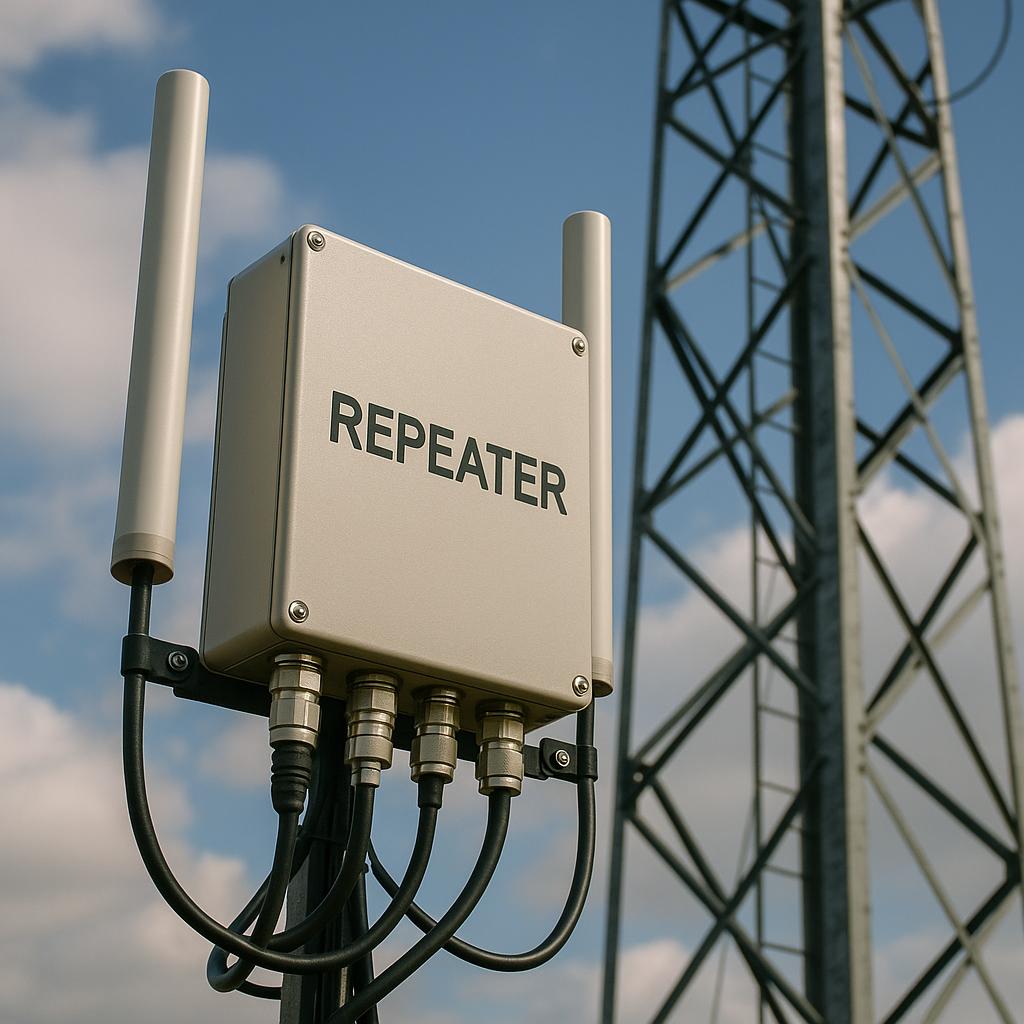
Amateurs can communicate via satellites that are in low Earth orbit (LEO) or higher orbits. These satellites act as repeaters in space, allowing for communication over vast distances beyond the typical range of terrestrial amateur radio. The challenge lies in tracking these fast-moving satellites and making the necessary Doppler frequency adjustments during communication.
Getting Started with Amateur Satellites
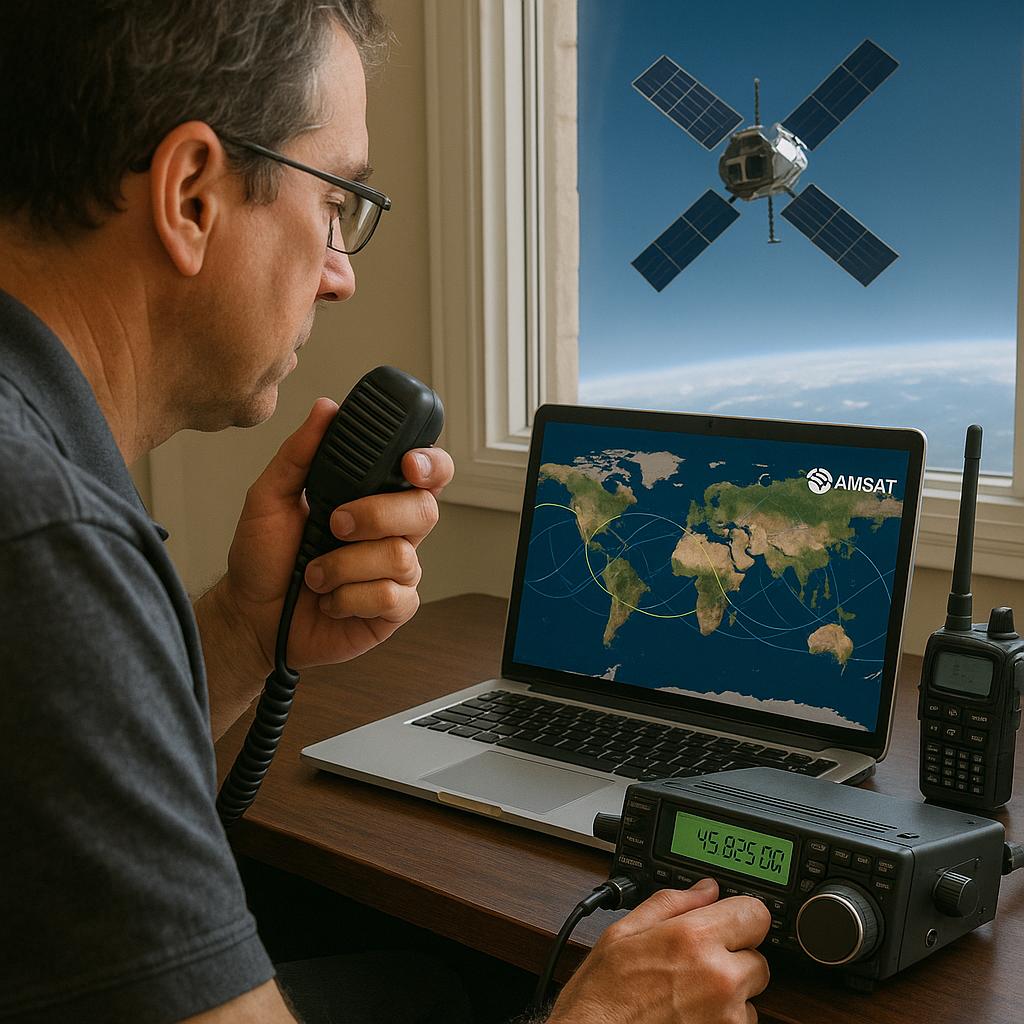
To get started with working amateur satellites, you need to have a basic understanding of satellite orbits, equipment requirements, and operational techniques. Although a basic ground station can be set up with handheld transceivers, higher-level operations might require directional antennas and computer software to track satellites.
Equipment and Software
Many amateur satellite operators begin with a dual-band VHF/UHF radio since many satellites operate on these bands. A computer with tracking software helps predict satellite passes over your location, simplifying the process of tuning and pointing antennas. Power and protection from interference are key considerations in setting up your operating station.
Historical Context of Amateur Radio Satellites
The evolution of amateur satellites has been a continuous journey since the early days of space exploration. The first amateur satellite, OSCAR 1 (Orbiting Satellite Carrying Amateur Radio), launched in December 1961, marked the beginning of a new era. Unlike professional satellite missions, amateur projects often rely on voluntary efforts by passionate individuals who contribute skills and resources.
Key Milestones
Multiple generations of satellites have followed, each contributing to the refinement of technology and operational techniques. From early days of basic telemetry transmissions, the capabilities expanded to voice communications, digital modes, and sophisticated onboard systems. Keeping these satellites operational often involves collaboration across borders, enhancing cultural exchange and mutual understanding.
Technical Advancements
Over the years, technological innovations have been incorporated into amateur satellites, enhancing their functionality and reliability. Modern satellites may include advanced payloads for scientific experiments, educational outreach, and new communication modes. The progress in miniaturization and cost-effective components has enabled more frequent and accessible launches.
International Collaboration
Amateur satellite development is a truly international endeavor, with collaborations involving various countries and organizations. These projects foster goodwill and cooperation among nations, as many satellites operate under joint auspices. The shared knowledge and experience are crucial in tackling technical challenges and policy hurdles.
Beyond Communication: Multidisciplinary Learning
Amateur radio satellites serve not only the communication needs of hobbyists but also educational purposes. They offer platforms for schools and universities to engage in hands-on projects involving radio, electronics, and data analysis. Participation encourages students to develop critical skills in planning, problem-solving, and teamwork.
STEM Integration
Amateur satellites are an ideal platform for integrating concepts from science, technology, engineering, and mathematics into educational programs. By involving students in real-world projects, educators can inspire interest in these fields, potentially guiding students toward careers in technology and science.
Educational Outreach Programs
AMSAT plays a pivotal role in creating educational outreach programs, offering workshops, and providing resources for educational institutions. These programs are designed to spark curiosity and demonstrate the applications of classroom learning in real-world contexts.
Community Engagement
Engaging with amateur satellites can bring communities together, fostering greater interaction and collaboration. Local amateur radio clubs often participate in satellite tracking and communication activities, providing a platform for enthusiasts to share knowledge and collaborate on projects.
Challenges and Future Directions
The field of amateur radio satellites is not without its challenges. With the increasing number of satellites and the need for spectrum management, coordination with regulatory agencies is vital. Moreover, sustainability and long-term viability remain crucial considerations in the planning phase.
Regulatory Compliance
Satellite operations fall under the jurisdiction of international regulatory bodies. Ensuring compliance with these regulations is essential for maintaining seamless operations. Frequent dialogue with policy makers and advocacy efforts help in addressing challenges related to frequency allocation and orbital slots.
Sustainability and Longevity
With the ever-present threat of space debris and the finite nature of orbital slots, ensuring the longevity and safety of satellites is paramount. Innovative approaches to satellite design, such as modular construction and repairable systems, may become more common as the community seeks to mitigate these problems.
Innovation in Satellite Design
The future of amateur radio satellites is bright and full of potential. Innovations in satellite design, including propulsion systems, enhanced materials, and autonomous operations, are poised to redefine what amateurs can do with these technologies. Furthermore, collaborations with professional organizations and agencies could open new avenues for amateur involvement in larger-scale space missions.
Expanding Horizons
As technology continues to advance, the scope and impact of amateur radio satellites are expected to grow exponentially. Newer generations of operators are likely to experiment with more sophisticated systems, making this hobby increasingly relevant in the broader context of space exploration and communications technology. Whether you’re a seasoned radio amateur or new to the hobby, working with satellites offers an exciting and rewarding challenge. By tapping into resources provided by AMSAT and experimenting with various equipment and communication techniques, operators can discover a whole new world of possibilities. For those interested in more detailed information, the AMSAT website serves as a comprehensive guide to everything related to amateur satellites.