The American Radio Relay League (ARRL) Overview
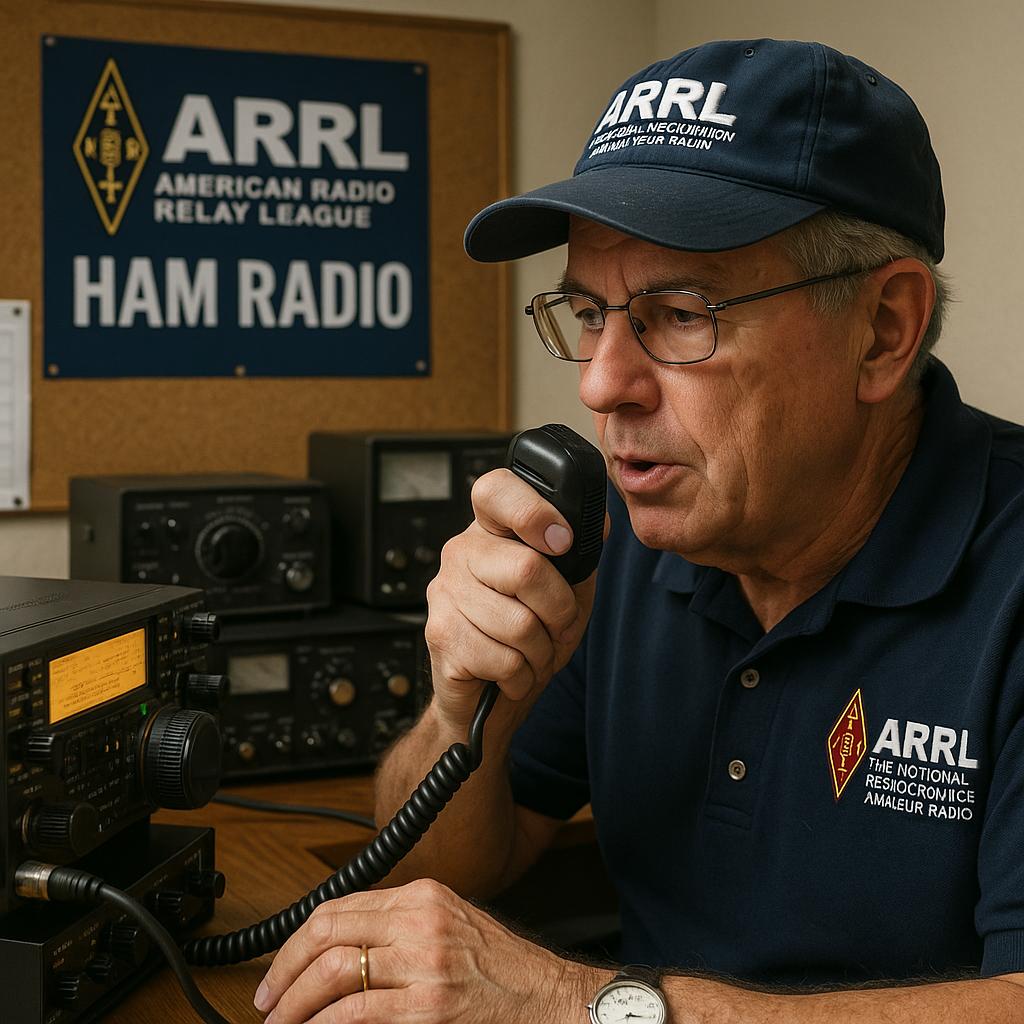
The American Radio Relay League (ARRL) stands as the preeminent association of amateur radio operators in the United States. Established over a century ago in 1914, it has significantly shaped and nurtured the landscape of amateur radio, colloquially known as ham radio. The ARRL’s mission focuses on promoting the art, science, and enjoyment of amateur radio, making it an essential entity for radio enthusiasts globally.
Historical Context and Formation
The Early Days of Radio Communication
In the early 20th century, radio was still in its infancy, and the fledgling community of amateur operators was discovering the vast potential of this new technology. Hiram Percy Maxim, an inventor and radio enthusiast, perceived the need for a structured approach to harness the capabilities of radio waves effectively. This realization led to the founding of the ARRL, a groundbreaking initiative at the time, designed to address the fragmented nature of radio communications.
Improving Communication Systems
During its formative years, the ARRL concentrated on creating a cohesive network of message relay operators to overcome the geographical and technical barriers of long-distance communication prevalent at the time. This initiative quickly gained traction, establishing the foundations for a national—and eventually worldwide—community of amateur radio operators dedicated to innovation and collaboration. The unified network fostered the development of groundbreaking communication techniques that enhanced the reliability and scope of amateur radio operations.
Advocacy and Representation
One of the ARRL’s primary functions is to represent the interests of amateur radio operators on various governmental and regulatory platforms. The importance of advocacy in preserving and expanding radio frequencies for amateur use cannot be overstated, as spectrum availability is crucial for operators to engage in diverse radio-related activities. The ARRL continually advocates for these interests, engaging with bodies such as the Federal Communications Commission (FCC) to help shape policy decisions and regulatory frameworks.
Safeguarding Operators’ Interests
Through its advocacy efforts, the ARRL ensures that amateur operators have the necessary spectrum to explore their passion for radio communications. By lobbying for policies that protect and potentially expand the frequency bands allocated for amateur use, the ARRL plays a vital role in securing the future of amateur radio. This protection is essential for fostering innovation, experimentation, and exploration within the field.
Education and Resources
Providing Educational Materials
Education is a critical component of the ARRL’s mission. By offering a wide array of educational resources and materials, the organization equips both new and seasoned operators with the knowledge they need to excel in their endeavors. Texts such as the renowned ARRL Handbook for Radio Communications and the QST magazine form the cornerstone of literature for the amateur radio community. These publications provide invaluable insights into the latest technological advancements, operational techniques, and community achievements, keeping operators informed and inspired.
Workshops and Training Opportunities
Beyond publications, the ARRL organizes workshops and training sessions to further the skillsets of amateur operators. These events cover a range of topics such as technical skills, operational practices, and regulatory compliance, ensuring operators are well-equipped to handle the challenges of modern radio communication.
Licensing and Skill Development
Achieving and maintaining an amateur radio license is a significant milestone for any operator. The ARRL plays an instrumental role in this process by providing candidates with study guides, preparatory workshops, and online resources. These tools are designed to help individuals successfully navigate the licensing exams administered by the FCC.
Ensuring Fair and Efficient Examinations
Through its Volunteer Examiner Coordinator (VEC) program, the ARRL ensures that the licensing exams are conducted efficiently and impartially. The program organizes volunteer examiners to administer exams, making it easier for aspiring operators to obtain their licenses and join the vibrant amateur radio community. This initiative is pivotal in welcoming new entrants, facilitating the continuation and growth of the hobby.
Public Service and Emergency Communications
Amateur radio has a well-earned reputation for being a reliable communication method, especially in emergency situations where conventional systems may fail. This reliability is due in large part to the organizational efforts of the ARRL.
Amateur Radio Emergency Service (ARES)
The ARRL supports various emergency communication initiatives, most notably through the ARES program. ARES manages and trains volunteer operators to provide essential communication services during crises, collaborating with disaster relief agencies to enhance coordination and efficiency. This training includes understanding emergency communication protocols and operating in challenging environments, making amateur radio an indispensable tool in emergency response efforts.
Community Building and Events
Fostering a sense of community is another key objective of the ARRL. The organization orchestrates numerous events and competitions, creating an environment where operators can meet, exchange ideas, and improve their skills.
Events that Foster Collaboration
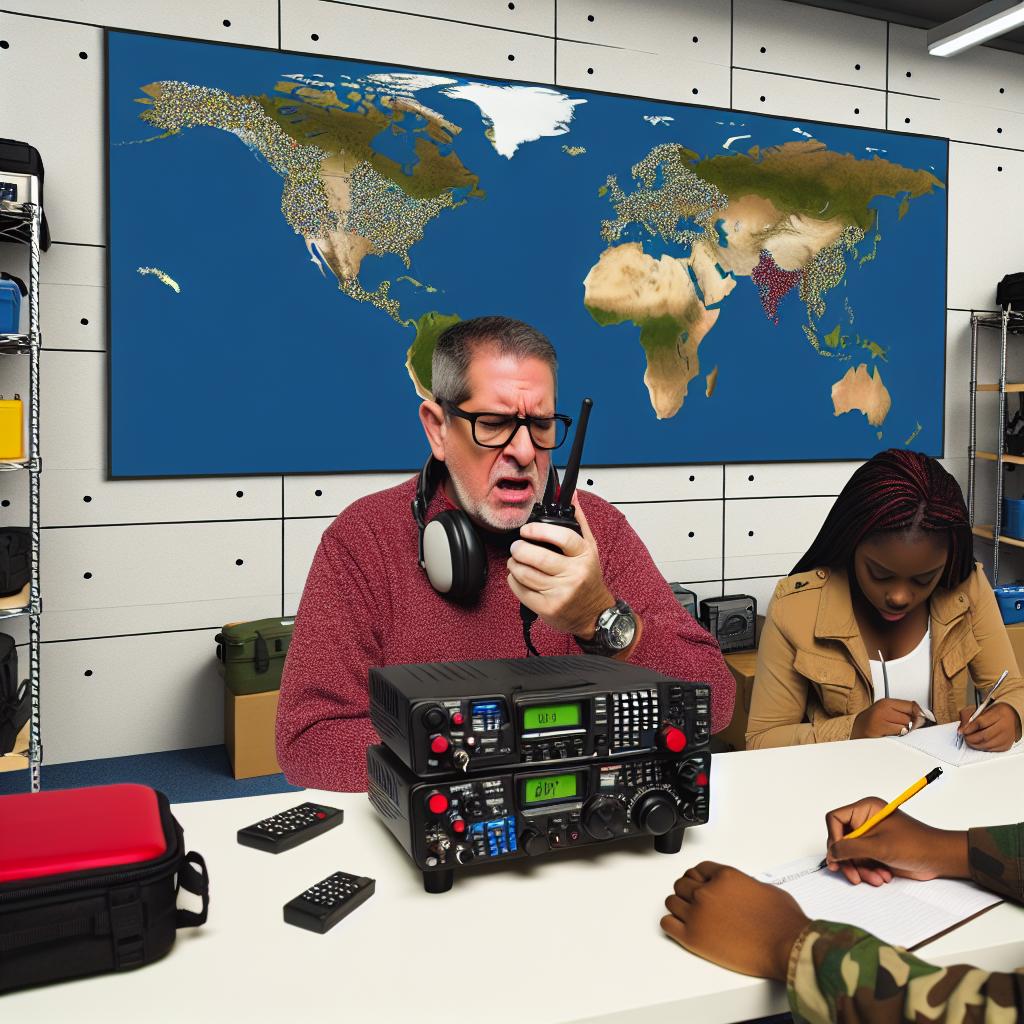
One of the flagship events organized by the ARRL is the annual Field Day. This event presents operators with the opportunity to test their equipment and techniques in simulated emergency conditions. Such events not only enhance the technological competence of participants but also strengthen bonds within the amateur radio community. These gatherings serve as a testament to the collaborative spirit of ham radio enthusiasts, highlighting the ability of amateur radio to connect individuals across varied interests and expertise.
Conclusion
In summing up, the American Radio Relay League (ARRL) is an indispensable institution in the world of amateur radio. Through its multifaceted approach encompassing advocacy, education, and public service, the ARRL ensures the vitality and relevance of amateur radio in contemporary times. By providing resources, fostering community, and advocating for operators’ interests, the ARRL paves the way for the continued growth and evolution of this enduring hobby. For those interested in learning more about the ARRL’s endeavors or becoming part of this dynamic community, additional information can be found on their official website.