Introduction to Repeaters in VHF/UHF Communications
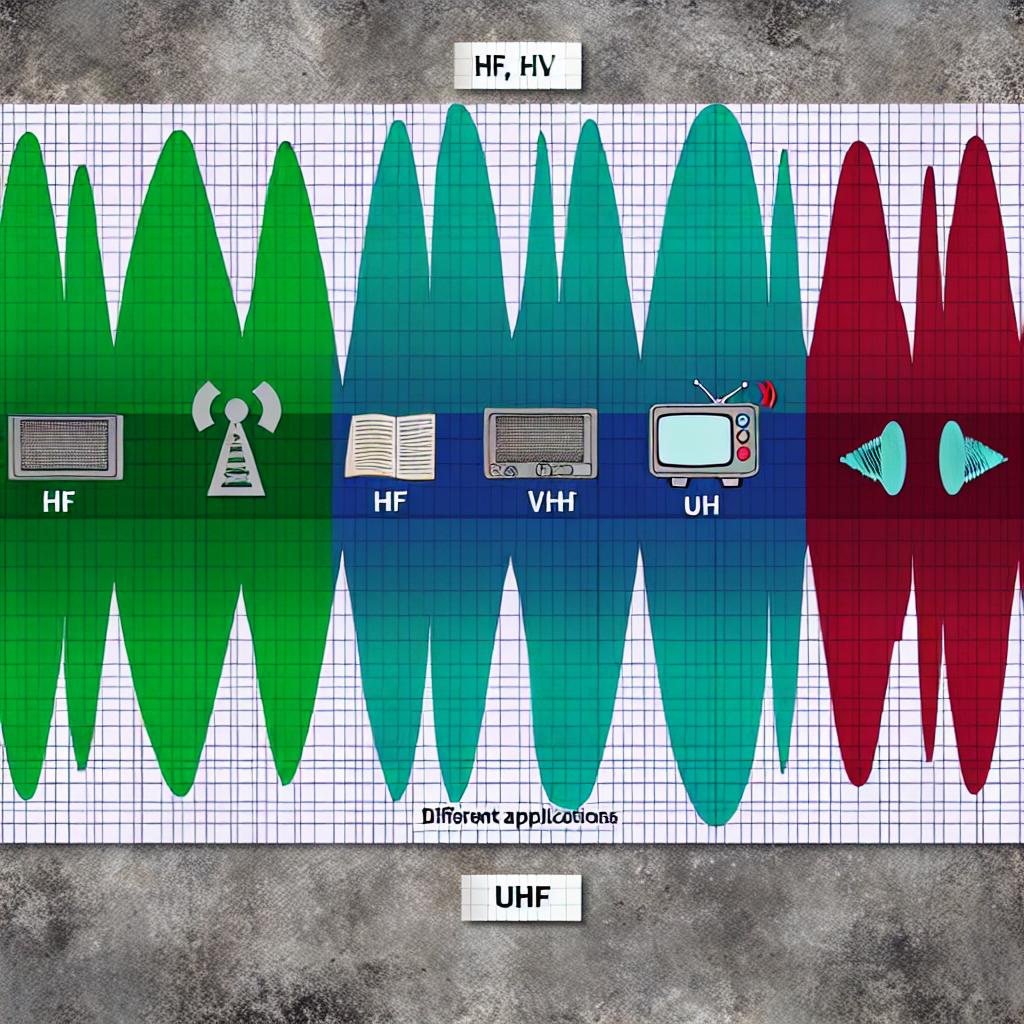
Repeaters are integral to extending the effective range of communication over VHF (Very High Frequency) and UHF (Ultra High Frequency) bands. By not only enhancing range but also improving signal clarity, repeaters serve as indispensable tools in various fields, including amateur radio, emergency services, and numerous industrial applications. This expanded article delves into the fundamentals of repeaters, their operation, benefits, applications, and key terminology, providing an in-depth understanding of their role in modern communications.
What is a Repeater?
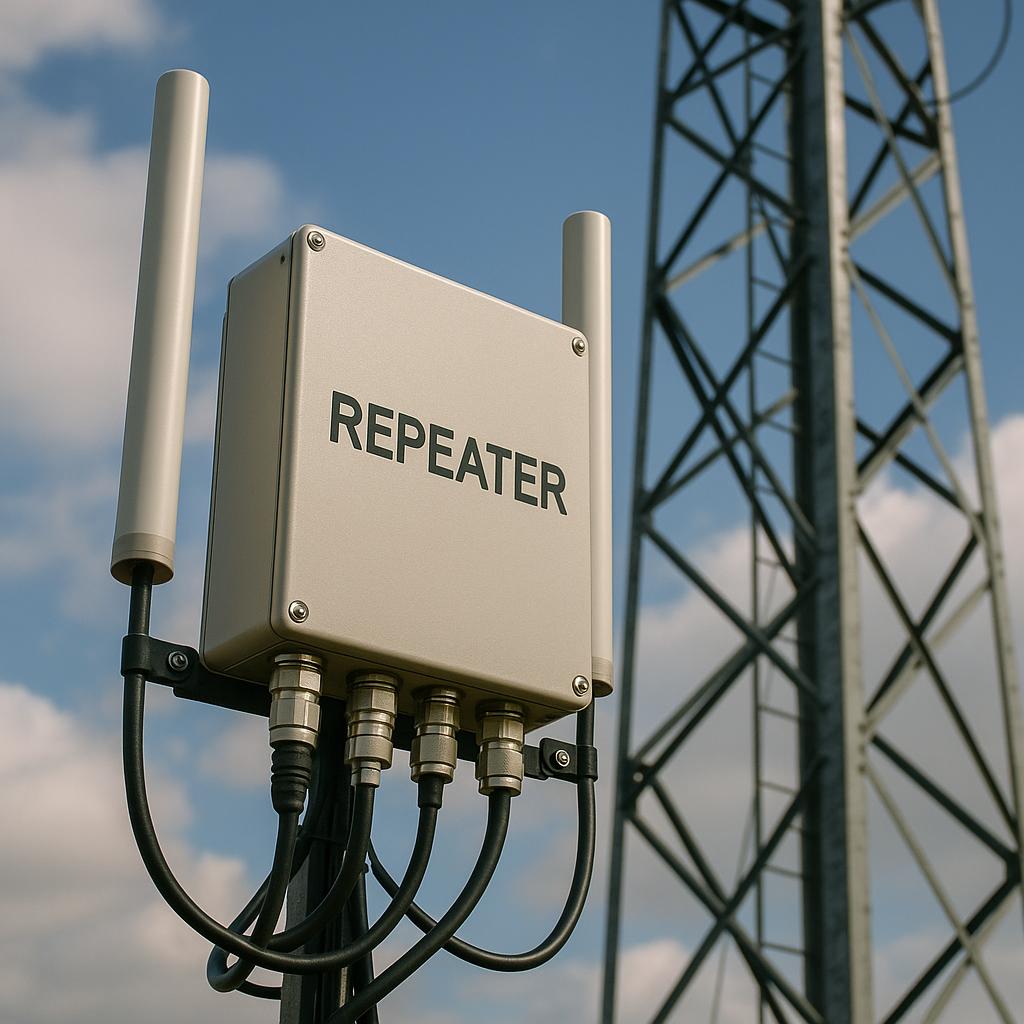
At its core, a repeater functions as a sophisticated electronic device designed to receive a radio signal on one frequency and retransmit that signal on another frequency. This dual operation is fundamental in overcoming common challenges faced in radio communications, such as overcoming obstacles posed by geographical features and extending coverage across extensive distances. By doing so, repeaters help to ensure robust communication in scenarios where direct line-of-sight transmission might fail.
Basic Functionality
The basic operation of a repeater centers around two critical components: the receiver and the transmitter. A repeater works in what is known as ‘duplex mode’. This mode allows the repeater to receive and simultaneously transmit communications with a frequency offset. The frequency offset is essential to prevent interference between the input (receiving) and output (transmitting) signals, ensuring smooth and continuous operation.
The receiver captures incoming signals sent by a radio at a specified frequency. The signal is then passed through internal processes that often include filtering and amplification to improve its quality. Once improved, the signal is retransmitted by the transmitter over a different frequency, thereby reaching areas that the original signal could not.
The Benefits of Repeaters
Repeaters offer numerous advantages in communication systems, with two significant benefits being range extension and enhancement of signal quality.
One of the key reasons for deploying repeaters is their remarkable ability to extend communication reach. By strategically placing these devices at elevated positions such as hilltops, tall structures, or towers, it becomes possible to transmit signals over much larger areas than would be feasible with direct, ground-level communication between devices.
Improved signal clarity is another crucial advantage repeaters present. Often equipped with high-quality filters and amplifiers, repeaters can enhance the fidelity of a transmitter’s signal. This leads to a marked reduction in noise and distortion, ensuring that communication remains clear and comprehensible even over long distances.
Applications of Repeaters
Repeaters find utility across a range of applications, serving needs from casual communications among hobbyists to critical, real-time information relay in emergencies and business operations. Some of the primary fields utilizing repeaters include:
Amateur Radio: For hobbyists and enthusiasts of amateur radio, repeaters facilitate prolonged communication sessions, even across considerable distances. Additionally, they are invaluable for emergency communications, keeping local amateur operators connected during disaster scenarios when conventional communication lines may be down.
Public Safety: For police, fire services, and other emergency responders, reliably communicating in real time is crucial. Repeaters are critical in these settings to ensure that personnel remain connected and informed, increasing the efficacy of responses to incidents and emergencies.
Commercial Use: In industries such as transportation, construction, and security, repeaters support daily operational communications. They ensure that teams working over large areas, whether in urban settings or remote locations, can coordinate effectively and safely.
Understanding Repeater Terminology
An understanding of repeater-related terms is vital for anyone looking to effectively engage with these systems.
Input Frequency: Refers to the frequency on which a repeater receives incoming signals. This frequency is the initial point of contact for communications being relayed.
Output Frequency: Once processed, the improved signal is transmitted on this frequency, making it the channel through which community members tune in to receive signals relayed by the repeater.
Offset: This is the difference between the input and output frequencies. Offsets are critical for preventing interference between communications entering and leaving the repeater.
CTCSS (Continuous Tone-Coded Squelch System): To minimize interference further, repeaters may use a CTCSS, which employs sub-audible tones. These tones act as a gate-keeper, allowing signals encoded with the correct tone to pass through, adding an extra layer of reliability and order to communications.
Conclusion
Repeaters play an essential role in advancing the capabilities of VHF/UHF radio communications, providing a bridge that connects users across long distances and varied terrains. Their ability to extend range and enhance signal quality not only makes communication more reliable and clearer but also ensures critical services function without interruption during emergencies. By understanding both their functionality and the pertinent terminology, users can significantly maximize the effectiveness and reliability of their communication networks.
For those interested in delving deeper into the intricacies of repeaters, many comprehensive resources and communities exist, offering insight and operational tips for various radio technologies. Consulting these resources can greatly enhance one’s ability to deploy and maintain effective communication networks utilizing repeaters.