
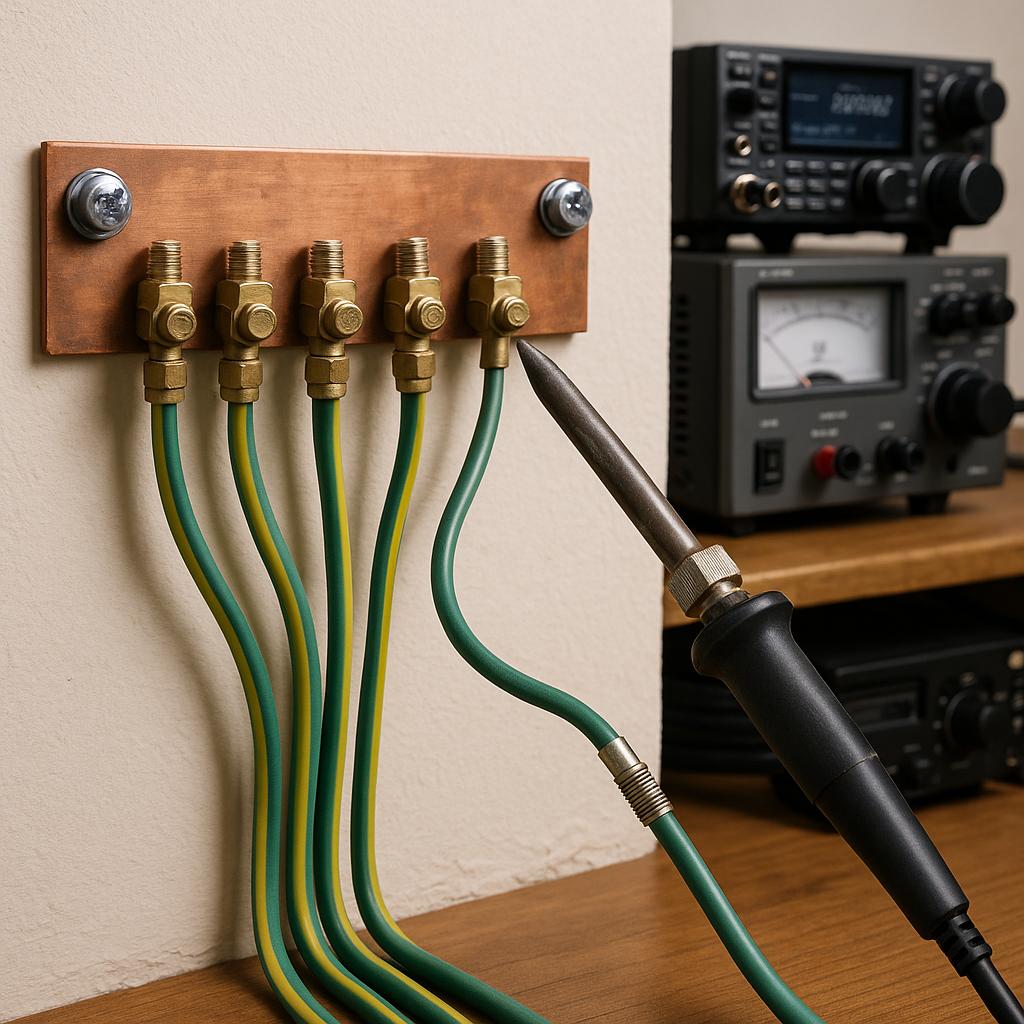
Understanding Grounding and Bonding
Grounding and bonding are essential facets of any robust electrical system, especially when establishing your shack for radio communications or engaging in other electronic endeavors. These practices are pivotal for ensuring safety, minimizing noise interference, and enhancing the overall performance of the system. A clear understanding of the distinction between grounding and bonding is crucial to making effective use of these processes in any setup.
What is Grounding?
Grounding refers to the method of connecting an electrical system directly to the earth. This connection is typically accomplished through the use of a ground rod, which is a lengthy metal rod that is inserted into the soil. The main function of grounding is to offer a secure pathway for electrical currents to dissipate safely into the earth when an electrical fault occurs. This serves several purposes:
1. **Protecting Equipment from Electrical Surges:** Grounding helps in safeguarding sensitive electronic devices from sudden increases in electrical power that can cause damage.
2. **Reducing the Risk of Electrical Shock:** By providing a route for excess electricity to flow safely to the ground, grounding reduces the potential for harmful shocks.
3. **Improving Overall System Stability:** A well-grounded system is less prone to voltage fluctuations, contributing to a stable operational environment for electrical equipment.
The Role of Bonding
Bonding involves the interaction between various metal parts within an electrical setup to ensure that they share an identical electrical potential. This process is integral to preventing voltage differences between conductive components, which could otherwise result in sparking and possible fire hazards. Bonding is paramount for:
– **Enhancing System Safety:** Ensuring all metal parts have the same electrical potential minimizes the risk of electrical shock.
– **Preventing Fire Risks Associated with Electrical Faults:** Bonding helps eliminate sparks that may ignite flammable materials, thereby reducing fire risks.
– **Minimizing Radio Frequency Interference in Communication Setups:** Proper bonding reduces the likelihood of interference, leading to better communication quality in radio operations.
How Grounding and Bonding Work Together
Despite grounding and bonding serving distinct roles, they function together to optimize electrical safety. Bonding ensures that all metallic components maintain a uniform potential, while grounding provides a safe exit path for electrical currents. This synergy effectively mitigates risks linked to fault conditions, offering a secure operational environment for electronic systems.
Practical Considerations for Grounding and Bonding
Implementing an effective grounding and bonding system necessitates complying with electrical codes and standards, which may vary across different regions. Key practical considerations include:
– **Ensuring Connections are Secure and Free from Corrosion:** Secure connections are vital for maintaining system integrity, while preventing corrosion ensures long-term reliability.
– **Using Appropriate Materials for Conductors and Connectors:** Choosing the right materials is critical for conductivity and durability, potentially impacting both safety and system longevity.
– **Periodically Inspecting Your Setup to Maintain Reliability:** Regular checks enable the identification of potential issues before they pose significant risks.
For comprehensive guidelines, resources provided by the ARRL or consultations with an electrical professional familiar with local standards can be invaluable.
Impact on System Performance
Beyond safety considerations, proper grounding and bonding also positively influence system performance. By reducing electrical noise through effective bonding, the quality of radio transmissions and receptions is markedly improved. This leads to clearer communications and diminishes the chances of equipment damage due to electrical disturbances, charting a direct path to enhanced operational efficiency and reliability.
Conclusion
While grounding and bonding might seem like mere technical formalities, they actually represent foundational components of setting up and maintaining a secure and efficient electrical environment. Understanding and implementing these processes is critical for ensuring a safe working space and achieving optimal performance for any electronic project. As such, investing the time and effort to establish robust grounding and bonding practices is a worthy endeavor that yields substantial dividends in safety and functionality across all electronic and communication systems.
Through these measures, operators can rest assured that their setups are not only secure but also primed for peak performance, laying the groundwork for reliable and high-quality electronic operations.