Understanding Radio Frequency Interference (RFI)
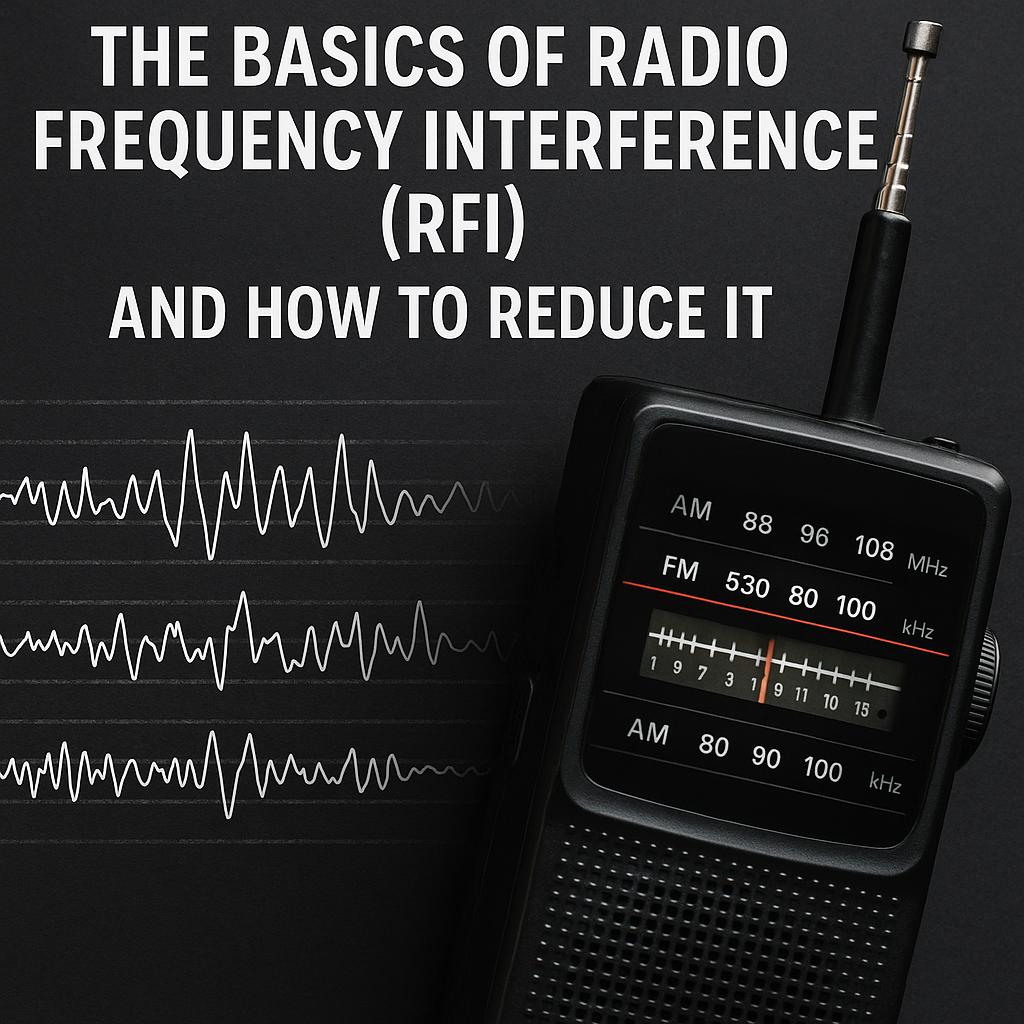
Radio Frequency Interference, or RFI, is a condition where unwanted radio frequency signals disrupt the normal operations of electronic devices. This phenomenon has become increasingly relevant in our highly connected world, where a myriad of electronic devices are in use simultaneously. RFI can originate from a diversity of sources, both natural and human-made, resulting in detrimental effects on device performance and communication quality. To mitigate such disruptions, understanding the root causes of RFI and its mechanisms of action is crucial.
How RFI Occurs
RFI primarily occurs when electronic devices operating at similar frequencies interfere with one another’s signals. This interference can lead to diminished performance, data loss, or even complete operational disruption. Such effects are notably pronounced in devices like radios, televisions, smartphones, and certain types of industrial equipment. The phenomena occur because the radio waves from different devices can mix, leading to confusion in the receiving apparatus and, subsequently, errors in signal processing.
Common Sources of RFI
Identifying the sources of RFI is essential in its management. Broadly speaking, RFI can stem from a host of sources, some of which include:
Natural Sources: Natural occurrences such as lightning storms, solar flares, and various atmospheric phenomena can introduce significant and often unpredictable interference across a wide range of frequencies. For instance, lightning generates a broad spectrum of frequencies that can travel long distances and interfere with wireless communications and broadcasting systems.
Electronic Devices: Everyday devices, including microwave ovens, cordless telephones, and Wi-Fi routers, frequently contribute to RFI. These devices emit electromagnetic waves during operation, which can interfere especially when they operate at frequencies close to other sensitive devices.
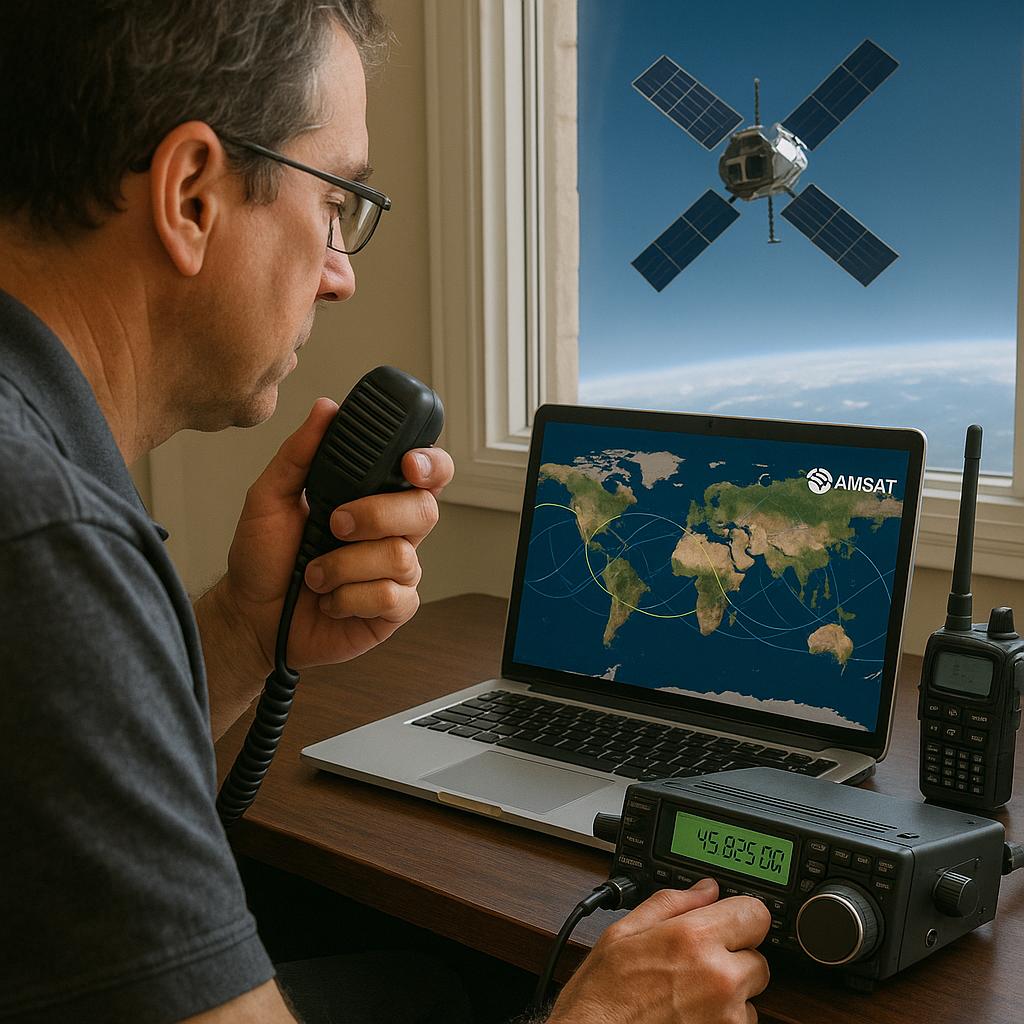
Transmission Signals: Broadcasting equipment, cell towers, and amateur radios are also common sources of RFI since they operate on and emit strong signals at similar frequencies. The sheer power of these signals can overwhelm smaller devices or those with less robust interference immunity.
The Impact of RFI
The impacts of RFI are palpable across a range of sectors, affecting both daily life and critical services. In aviation settings, RFI can compromise navigation systems, posing a possible threat to safety. Hospitals may also encounter RFI challenges where medical equipment, vital to patient care, malfunctions because of stray electrical signals. On a personal level, individuals might find that their home networks experience disruptions, affecting the quality of streaming services or the reliability of wireless communication.
Identifying RFI
The identification of RFI is necessary for resolving issues related to it, yet can often pose a challenge. Indicators may include degraded reception quality in radios or televisions, unexpected noise in audio equipment, and unexplained malfunctions in wireless networks. To determine whether RFI is at the heart of these issues, systematic testing can be performed. This involves turning off individual pieces of equipment sequentially to observe when the disruption ceases, thus pinpointing the source.
Strategies to Reduce RFI
Although completely eliminating RFI might not be feasible, implementing several practical strategies can significantly minimize its impact and help ensure that devices operate at optimal performance levels.
Device Positioning
Strategic positioning of devices can mitigate RFI by reducing electromagnetic emission interference. For example, ensuring that routers, which emit strong wireless signals, are placed away from sensitive audio and video equipment, leads to improved performance. Ensuring proper distance between devices can allow them to function without interfering with each other’s operations.
Using Shielded Cables
The use of shielded cables in place of standard ones is highly recommended, especially in environments with many electronic devices. Shielded cables have protective insulating layers that block interference, reducing the amount of extraneous noise entering the system. This enhancement is particularly beneficial in high-density electronic setups such as data centers and industrial automation facilities.
Employing Band Filtering
Bandpass filters are effective tools in managing RFI, as they block unwanted frequencies while only allowing desired signals to pass through. By installing these filters, users can ensure that their devices are less susceptible to interference from external sources, thereby maintaining clearer communication and better data integrity.
Grounding Techniques
Ensuring proper grounding of electronic instruments is another key practice in reducing RFI. Grounding provides a safe path for potential interference, allowing it to be dissipated harmlessly into the earth. This protection is particularly crucial for environments with sensitive electronic circuits where interference could cause damage or significant data errors.
Compliance with Standards
Adhering to industry standards and choosing devices certified by relevant regulatory bodies offers an additional layer of protection against RFI. These standards provide guidelines for acceptable levels of emission and device immunity to interference, which manufacturers follow. As a result, compliant devices are generally more robust against RFI and deliver better performance in environments prone to electromagnetic interference.
Conclusion
Radio Frequency Interference presents an ongoing challenge that spans various industries and sectors. Comprehensive understanding of its sources and the resultant effects is indispensable for effective interference management. By adopting targeted strategies like repositioning equipment, employing shielded cabling, implementing band filtering techniques, and ensuring proper grounding, the negative impacts of RFI can be significantly reduced. For further guidance on handling RFI and best practices in digital environments, one might consider exploring available resources from regulatory bodies dedicated to overseeing and managing radio frequency challenges.