Introduction to Portable Radios for Backpacking and Emergency Use
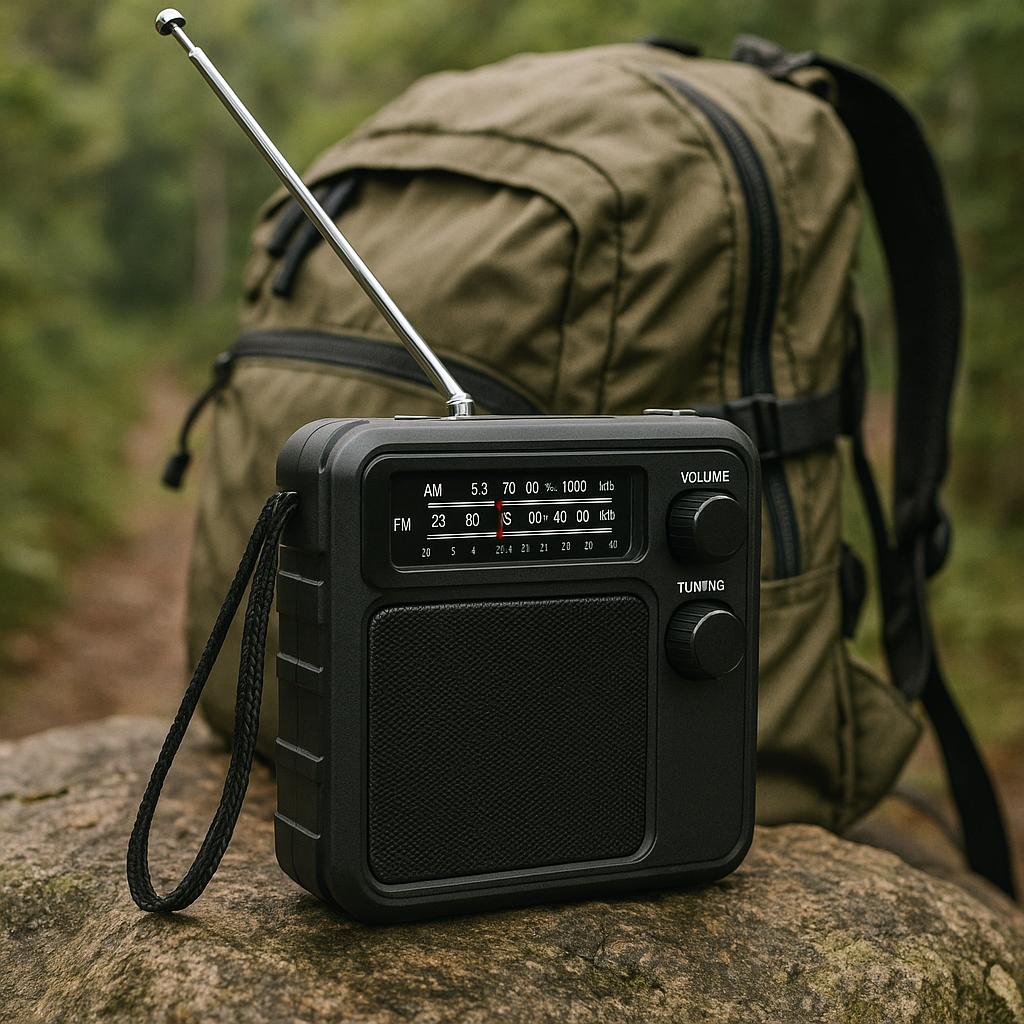
Portable radios have become essential tools for individuals involved in outdoor activities such as backpacking and for those preparing for emergencies. These devices offer a critical communication link to the outside world by providing access to news broadcasts, weather updates, and emergency alerts. When you’re in remote areas where other forms of communication may be unavailable, a portable radio can be a crucial lifeline. This guide will explore the features to look for when selecting a portable radio and offer some recommended models that could serve your needs well.
Key Features to Consider
When selecting a portable radio, several key features should be taken into account to ensure it serves its purpose effectively. Each feature impacts the functionality and reliability of the radio in various environments and situations.
Durability: Radios meant for backpacking or emergency use need to withstand challenging conditions. A durable radio is typically shock-proof, designed to survive accidental drops, and water-resistant to remain functional during rain or exposure to moisture. These characteristics ensure the radio’s longevity and reliability, especially when you’re venturing into unpredictable environments or facing natural disasters.
Size and Weight: For backpackers, carrying heavy gear can be tiring, which is why the size and weight of the radio are paramount considerations. A compact and lightweight radio fits easily into a backpack without adding significant heft. The goal is to have a device that is portable yet capable, balancing performance with manageable size.
Battery Life and Power Options: Another critical consideration is how the radio is powered. A long-lasting battery or versatile power options—such as solar panels, rechargeable batteries, and hand crank generators—can be vital when you are in regions devoid of power outlets. These options ensure that you can keep your radio operational for extended periods, vital for lengthy excursions or prolonged emergencies.
Reception and Frequency Coverage: A key element of a portable radio’s performance is its ability to receive clear signals and cover a wide range of frequency bands, including AM, FM, and Shortwave. Being able to tune into NOAA weather alerts is particularly useful, as it keeps you informed about weather emergencies in real-time, allowing you to respond accordingly to changing conditions.
Top Portable Radios Recommendations
An array of portable radios on the market offer varied functionalities and advantages. Below are some recommendations that stand out due to their reliability and features that cater to both outdoor enthusiasts and emergency preparedness.
1. Kaito KA500: The Kaito KA500 is a preferred choice among both outdoor enthusiasts and those focused on emergency preparedness. It distinguishes itself with multiple power sources—hand crank, solar panel, and rechargeable battery—providing flexibility when conventional power might be unavailable. The inclusion of a built-in LED flashlight and access to all 7 NOAA channels enhances its functionality, making it a versatile tool for both adventure and crisis scenarios.
2. Sangean MMR-88: Known for its robust reception capabilities and durable build, the Sangean MMR-88 caters well to users in harsh environments. This model features USB charging ports, which can be a great utility for charging small devices in the field. With its digital tuner and emergency buzzer, the MMR-88 is a multi-functional device that complements both safety and communication demands.
3. Eton Scorpion II: Renowned for its rugged design, the Eton Scorpion II is crafted for outdoor enthusiasts who require reliable performance under tough conditions. Power options include both a solar panel and a hand crank, ensuring it remains functional without needing conventional charging methods. As an added convenience, its splash-proof design, integrated LED flashlight, and USB port for charging devices make it exceptionally suitable for outdoor adventures.
Additional Considerations
Apart from performance features, there are additional considerations that might influence the choice of a portable radio. For instance, ease of use, such as intuitive controls and a straightforward user interface, can enhance the overall experience, especially in stressful situations where time is of the essence.
Some users may also value additional features such as Bluetooth connectivity, which allows the pairing of the radio with smartphones or other devices for enhanced usability. Furthermore, the radio’s ability to double as a power bank, providing emergency power to other electronic devices, could also be an attractive feature for some users, adding to its versatility in field use.
Conclusion
Choosing the right portable radio involves balancing several factors to match specific needs, whether you’re preparing for a backpacking adventure or equipping yourself for emergency situations. Core attributes like durability, power options, and reception quality are paramount to ensuring that you have a dependable communication device at your disposal. Portable radios such as the Kaito KA500, Sangean MMR-88, and Eton Scorpion II are excellent starting points, combining robust features with practical applications across a variety of contexts. For those interested in purchasing these radios, they are available at well-known electronics retailers online such as Camping Survival and RadioShack. These outlets often provide detailed product descriptions and customer reviews, helping you make informed decisions in selecting the right radio for your needs.