The Art of Ragchewing
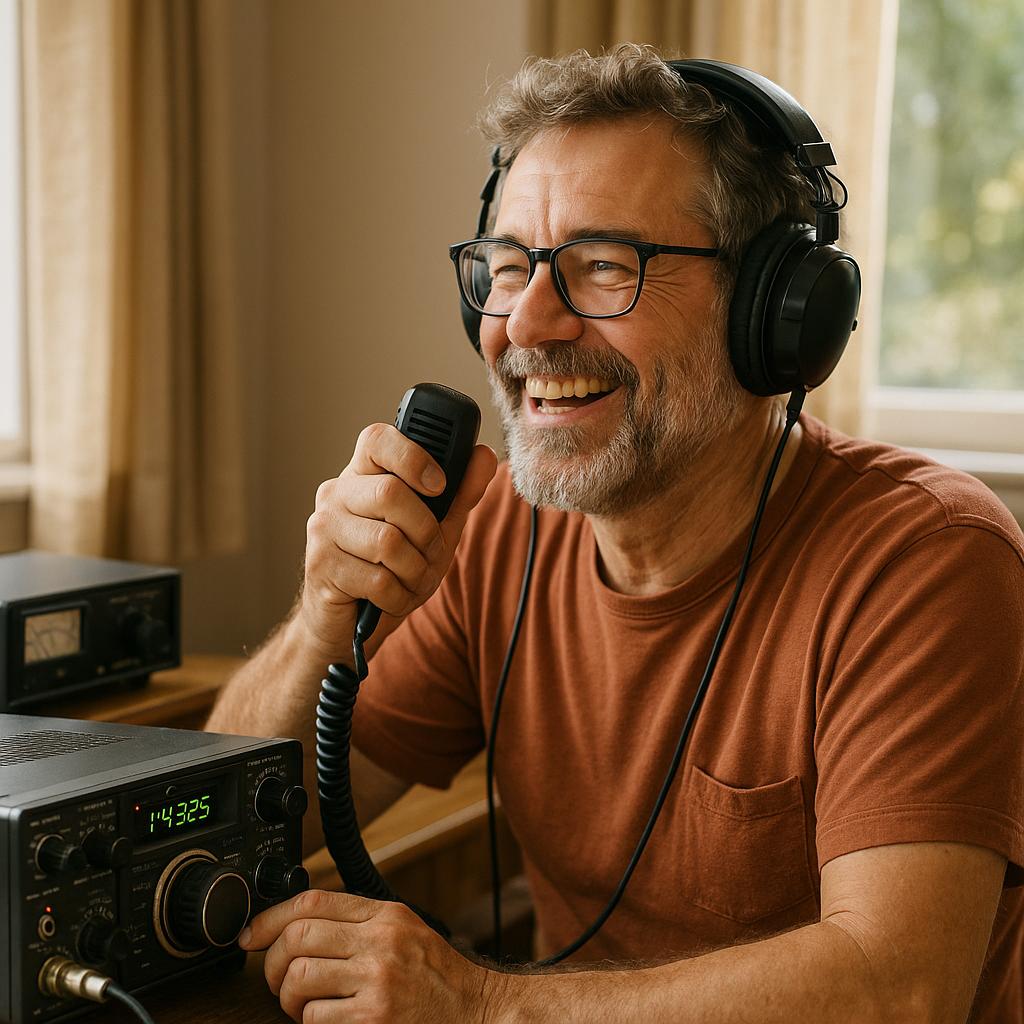
Ragchewing is a term used in amateur radio to describe casual and informal conversations over the airwaves. It offers an opportunity for radio enthusiasts to engage with others, share stories, and exchange information, ultimately fostering a sense of community among participants.
Understanding Ragchewing
In essence, ragchewing is the amateur radio equivalent of a friendly chat. It does not adhere to structured formats, contrasting the more organized activities such as nets or contests that amateurs might participate in. This form of communication places a strong emphasis on spontaneity and the enjoyment derived from conversing with fellow hams, or amateur radio operators.
Amateur radio operators often relish these informal exchanges, as they provide a break from routine operations and a chance to learn more about the personal experiences and insights of those they connect with across various frequencies.
The Role of Amateur Radio
Amateur radio has long served as a platform for individuals to explore technical skills and foster global connections. Unlike professional broadcasting services, amateur radio emphasizes personal communication and experimentation. Ragchewing plays a crucial role in this tradition because it enables operators to test their equipment and exchange knowledge freely.
The ability to experiment with different equipment setups and frequencies during these conversations can lead to greater insights into radio technology and its practical applications. Operators often bring new ideas and methods to ragchews, sharing their discoveries and learning from others in return.
Making Connections
One of the most intriguing aspects of ragchewing is the opportunity to connect with people from diverse backgrounds and locations. Operators may find themselves in conversations with hams from different countries or discover new perspectives from fellow hobbyists within their own community. These interactions can lead to lasting friendships and a global network of contacts, enriching the operator’s experience in amateur radio.
Many radio operators value these interactions not only for their immediate enjoyment but also for the long-term relationships they help cultivate. By consistently engaging in ragchews, hams expand their horizons, develop empathy for different cultures, and contribute to a more interconnected world.
Etiquette plays a crucial role in ensuring the quality and enjoyment of these interactions. Participants must be polite, listen actively, and respect the airtime of others. Observing these practices ensures that the experience remains pleasant for all involved and that conversations are productive and enriching.
The Technology Behind It
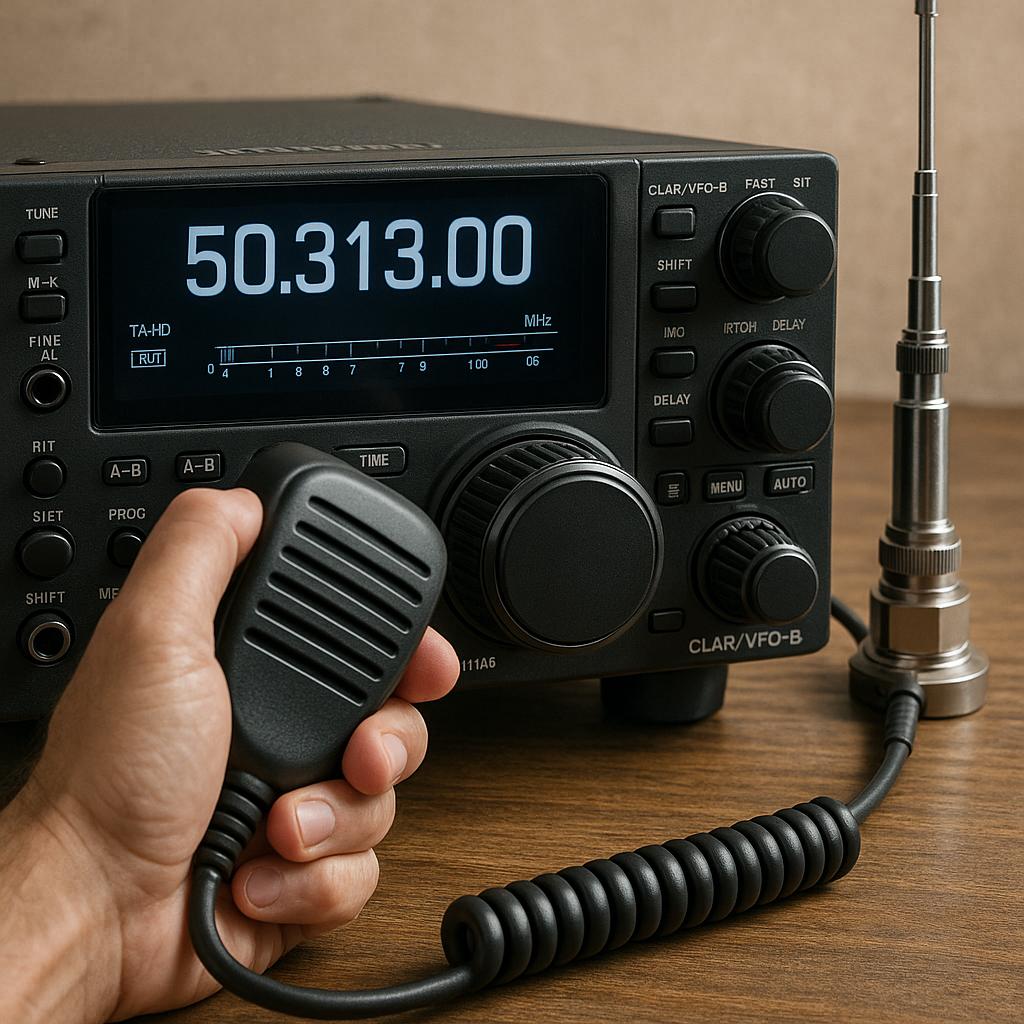
Participating in ragchewing requires access to amateur radio equipment, such as transceivers and antennas. Depending on the frequency and mode used, different equipment might be necessary. Common modes for ragchewing include voice signals, utilizing frequencies in the HF, VHF, or UHF bands.
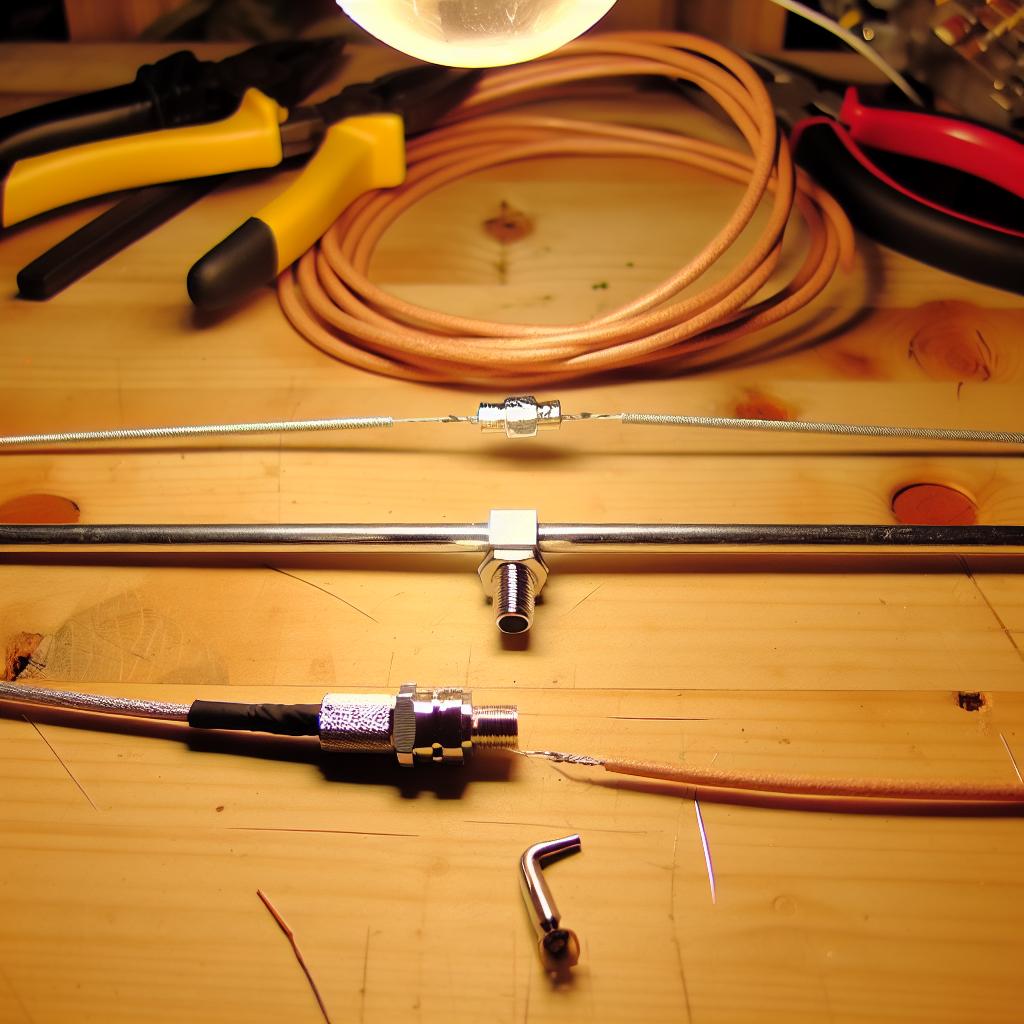
Amateur operators often customize their equipment to suit specific preferences or conditions they anticipate during ragchews, allowing for a personalized communication experience. This customization can involve modifications to the way a transceiver handles certain frequencies or enhancements to the antenna to improve reception and transmission quality.
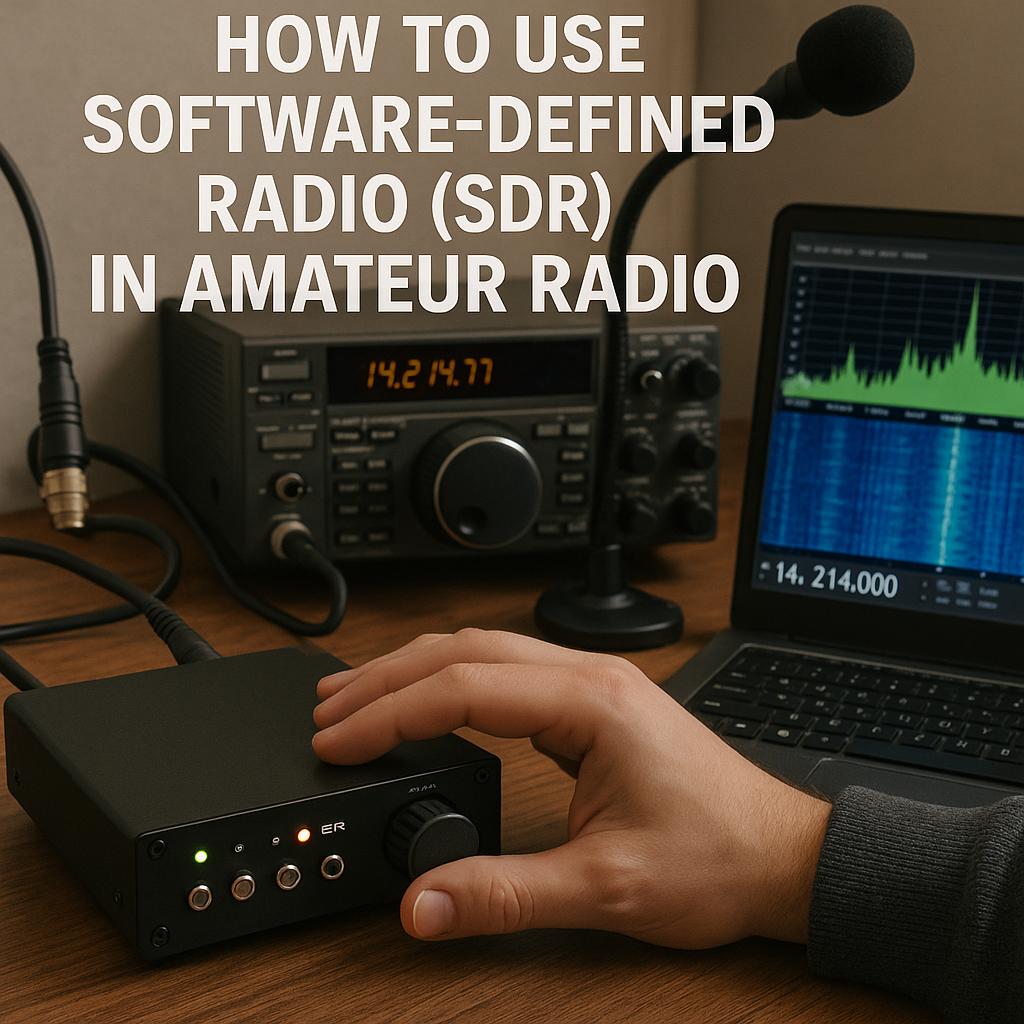
Additionally, technological advancements have introduced digital modes that are also compatible with ragchewing. These modes, while providing a different experience from traditional voice communication, offer operators additional options and flexibility in how they engage with others.
Resources and Communities
For those interested in exploring ragchewing further, a multitude of resources and communities are available. Various organizations dedicated to amateur radio, such as the American Radio Relay League (ARRL), offer materials and support for newcomers. Their comprehensive guides and instructional content can greatly benefit those just starting their journey into amateur radio.
Local amateur radio clubs also provide an excellent starting point to meet experienced operators and gain insights into the art of ragchewing. These clubs serve as welcoming environments for newcomers to learn through the experiences and guidance of seasoned operators. They often host events and activities that promote camaraderie and skill development, further enriching the ragchewing experience.
Moreover, online forums and social media groups have become increasingly popular for amateurs seeking advice, sharing experiences, and finding other likeminded individuals. These platforms serve as valuable resources for exchanging knowledge in real time, regardless of geographical barriers.
Conclusion: Ragchewing is a cherished tradition in the amateur radio community, offering an avenue for operators to connect informally over the airwaves. By participating in these conversations, individuals enjoy the pleasure of casual communication and contribute to the rich tapestry of amateur radio culture. As they share their experiences, troubleshoot equipment challenges, and partake in global dialogues, they strengthen the bonds of this vibrant community.
In doing so, ragchewing cultivates a spirit of curiosity, friendship, and knowledge-sharing, placing it at the heart of what makes amateur radio a unique and fulfilling pursuit. Whether newcomers or seasoned operators, all participants contribute to and benefit from this ongoing exchange, enriching the amateur radio experience for generations to come.