Understanding EchoLink
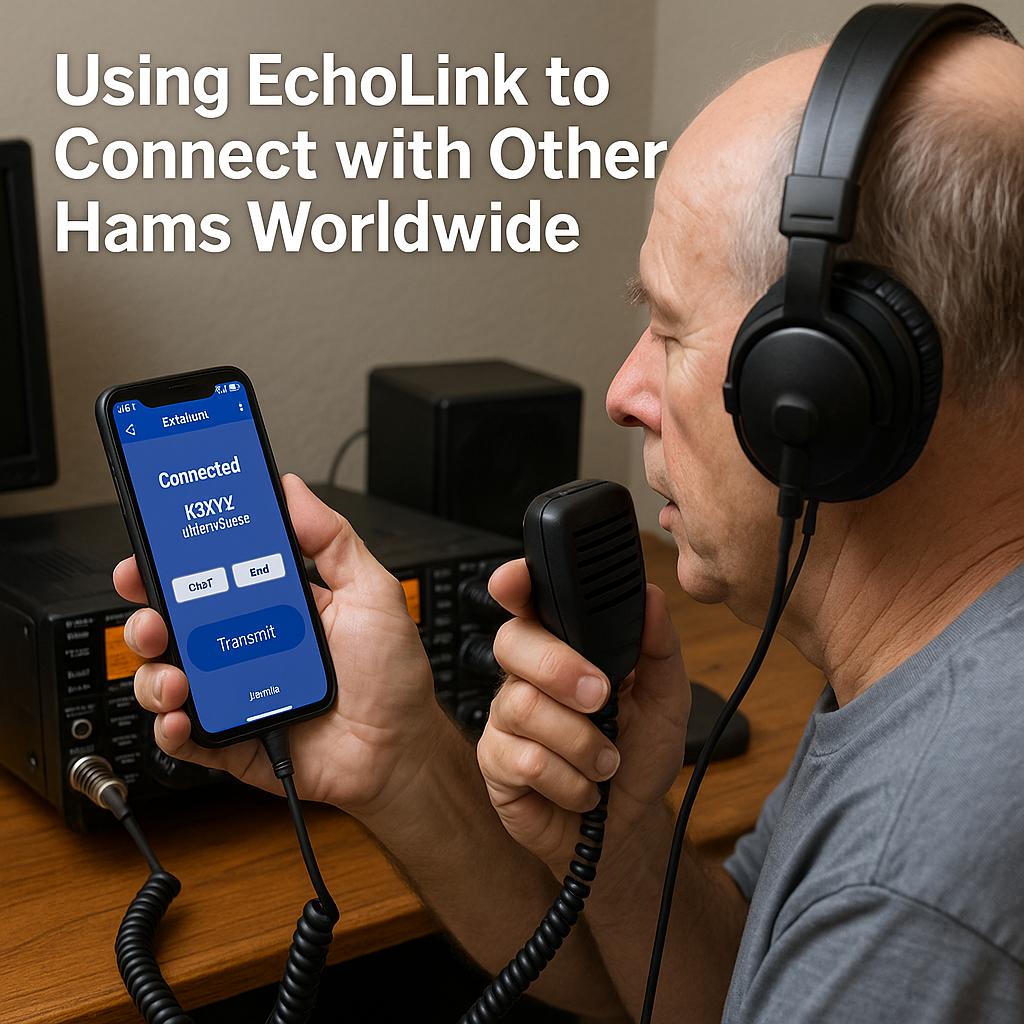
EchoLink is an innovative system used by amateur radio enthusiasts, commonly known as hams, to communicate with others across the globe. This technology combines traditional ham radio principles with modern digital communication, allowing users to connect through Voice over Internet Protocol (VoIP).
How EchoLink Works
EchoLink operates by linking licensed amateur radio stations and operators using the Internet as a mode of communication. Each user registers their radio station, and once verified, they can access the network to connect with other stations worldwide. This capability is particularly beneficial for individuals without a clear radio path due to geographical restrictions. By integrating Internet utilities, EchoLink provides a bridge for voice communication, extending the reach of radio waves into the virtual realm, making connections that were previously unimaginable.
Operating on the principle of node-based communication, EchoLink essentially enables users to transform their traditional radio transceivers into dynamic communication hubs. The user registers and validates their callsign – a unique identifier in the amateur radio world – allowing for participation in a vast, decentralized network where each validated user becomes a node capable of both transmitting and receiving signals.
Getting Started with EchoLink
Getting started with EchoLink mandates compliance with certain prerequisites. Primarily, you need an amateur radio license from your respective country, as the platform adheres to similar regulatory standards as traditional radio. Additionally, an introductory step involves acquiring a computer or smartphone equipped with Internet access. This ensures connectivity to EchoLink’s digital pathway, laying the groundwork for further exploration into this hybridized form of amateur radio communication.
The process of engaging with EchoLink commences with downloading the EchoLink software or app, which acts as the interface between the user and the worldwide network. Post download, registration of your callsign includes a validation process to confirm your licensure, ensuring only authorized amateur operators can access the system. This measured approach ensures security and integrity within the community, upholding the standards akin to traditional amateur radio operations.
Software Features
The EchoLink software is imbued with several features aimed at enhancing the user experience.
Node Types: EchoLink nodes are categorized into two main types: user modes and sysop modes. User mode caters to individual users navigating one-on-one or group interactions, while sysop mode facilitates the configuration of nodes linked to radio repeaters, effectively expanding the reach of transmissions.
Security: With a robust authentication mechanism, the system ensures security by verifying each station’s legitimacy, minimizing the risk of unauthorized access. The verification process is critical in maintaining an environment of trust and reliability.
Audio Quality: The platform prides itself on delivering high-quality audio communications, offering users an experience parallel to traditional radio in terms of clarity and reliability. EchoLink uses sophisticated audio encoding algorithms to provide pristine sound quality, crucial for effective communication.
Benefits of Using EchoLink
EchoLink provides an array of advantages to hams worldwide. Foremost, it allows for global communication without reliance on atmospheric conditions that typically affect radio signals, such as reflection, refraction, or solar interference. This attribute is particularly advantageous in places with difficult terrain where traditional radio waves might falter.
Additionally, EchoLink operates as a valuable tool for gaining proficiency in digital modes of communication, which are increasingly relevant in modern amateur radio operations. For educational purposes, it serves as a platform for learning and experimentation, ideal for reviving the hobby among youth and aspiring hams. Furthermore, by fostering connectivity, EchoLink strengthens community ties, enabling users to affiliate with local and international amateur radio clubs and networks. This interconnection breeds a sense of community, encouraging collaborative ventures and knowledge sharing.
Challenges and Limitations
Like any technological system, EchoLink is not without its challenges. Its dependency on the Internet implies that communication might be hindered during network disruptions. This factor introduces a variable element to communication efficiency, contingent on external network conditions.
Moreover, the digital nature of EchoLink signifies a departure from the traditional “radio” experience, characterized by the unpredictability and dynamic conditions of radio wave propagation. While EchoLink mimics radio communication, it does not replicate the exact scenario of atmospheric engagement associated with radio broadcasting.
Network Constraints
An additional limitation arises from network constraints, notably in terms of firewalls and NAT (Network Address Translation) settings which can obstruct EchoLink connections. Integrating EchoLink into a personal network necessitates configuring router settings properly. Understanding network settings is crucial for ensuring seamless operation, posing a potential barrier for users unfamiliar with technical configurations.
In conclusion, EchoLink emerges as a versatile tool that marries the traditional ethos of radio communication with the expansive possibilities of digital enhancements. By providing global connectivity and diverse learning opportunities, it continues to be a valuable resource for novice and experienced hams alike. This dynamic platform positions itself as a forward-looking solution, poised to adapt and evolve with technological advancements, continuously aligning itself with the ever-expanding universe of amateur radio.