
The Role of Amateur Radio in Scientific Research
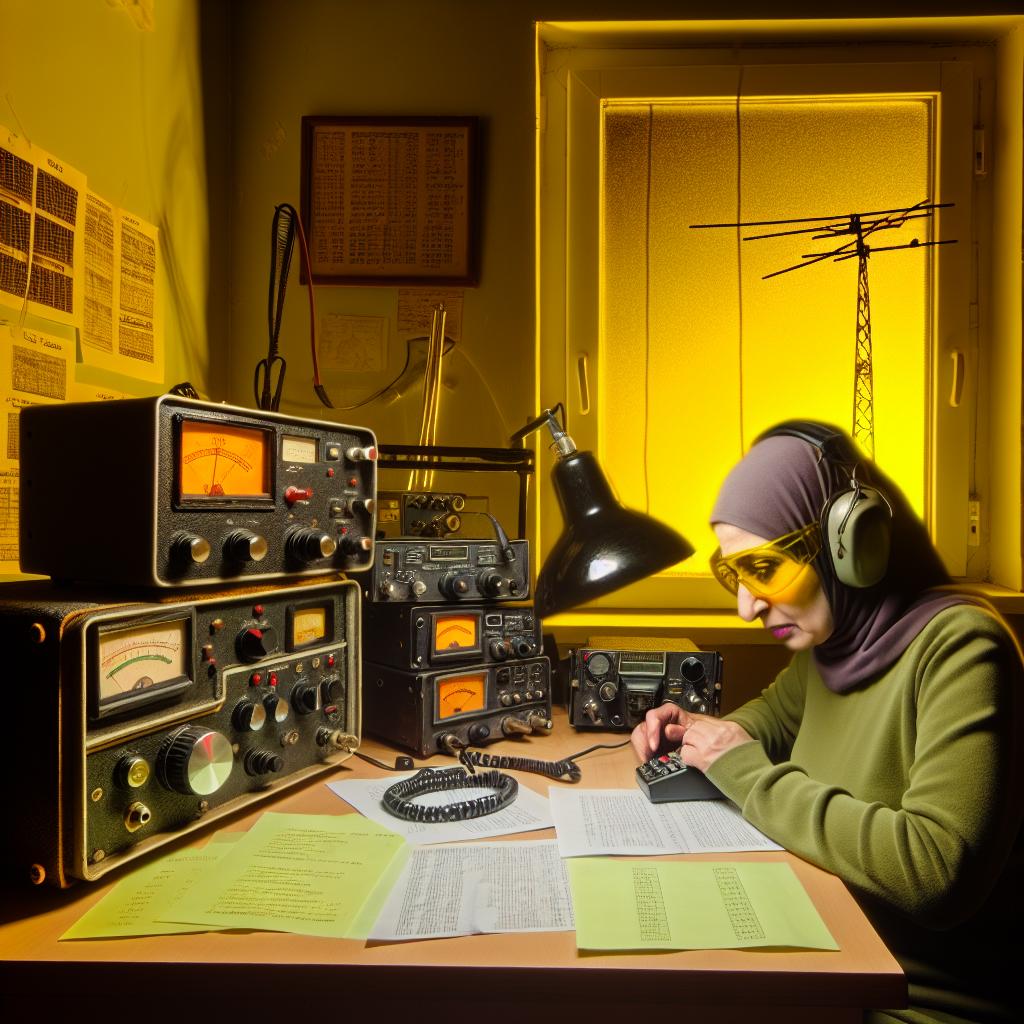
Amateur radio, often known as ham radio, is a well-established hobby and service that brings people, electronics, and communication together. Amateur radio operators, or “hams,” use a range of radio frequencies for non-commercial exchange of messages, wireless experimentation, self-training, private recreation, radiosport, and emergency communication. Beyond these uses, amateur radio has played a crucial role in scientific research, offering advantages that are sometimes overlooked by modern digital communication technologies.
Historical Contributions
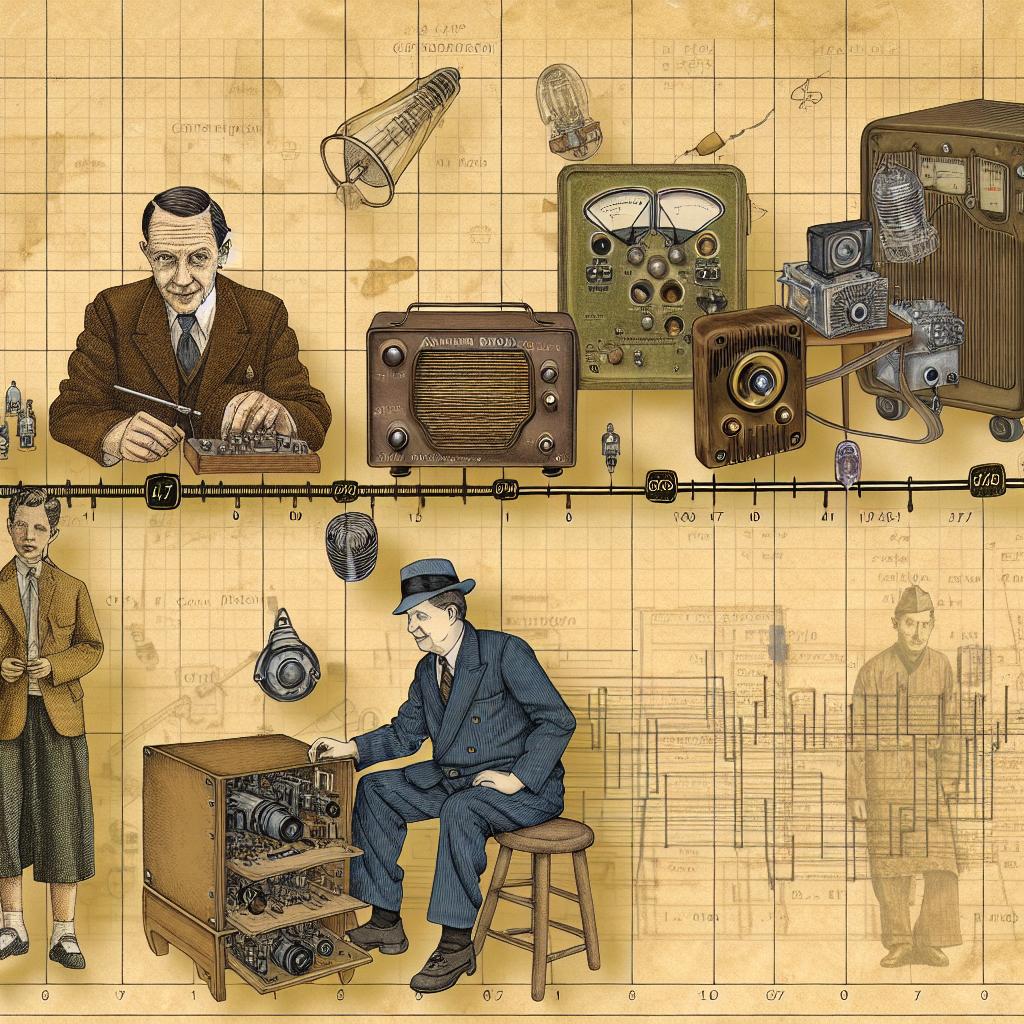
Amateur radio operators have been instrumental in the early development of radio technology. Their experiments laid the groundwork for many modern communication methods. Historically, amateur radio has offered a platform for scientific discovery and innovation, contributing to advancements in various research fields, from atmospheric science to astronomical observations.
In the early 20th century, amateur radio enthusiasts were among the pioneers who explored the potential of wireless communication. The contributions of these hobbyists were integral to understanding the principles of electromagnetic waves and their transmission. By experimenting with radios and antennas, early hams established some of the basic methodologies that would later become standard in radio communication and broadcasting industries. Their work provided the foundation for what would grow into a sophisticated network of global communication technologies.
Radio Propagation Studies
Amateur radio is invaluable in studying radio wave propagation. Scientists use data collected by amateur operators to understand how radio waves travel through the Earth’s atmosphere. This is particularly useful for studying the ionosphere, the upper part of the atmosphere that impacts radio wave transmission. Radio signals sent by amateur radio operators can provide critical data on ionospheric conditions, helping researchers develop models to predict space weather impacts.
The ionosphere is a region filled with charged particles that affect the passage of radio waves. By sending signals across various bands and observing the results, amateur radio operators contribute to a body of knowledge that aids in understanding this complex region. This data is critical for improving GPS technology, satellite communication, and any applications relying on the precise transmission of radio waves. Amateur observations have historically led to important discoveries about solar flares and geomagnetic storms, phenomena that can significantly impact communication systems and power grids.
Astronomy and Meteor Scatter
Amateur radio has also contributed to astronomical research. One notable area is through meteor scatter communications, where radio signals bounce off the ionized trails left by meteors entering the Earth’s atmosphere. These reflections allow researchers, including amateur radio operators, to study meteors, providing insights into their frequency, velocity, and size. This collaboration enhances our understanding of meteor showers and contributes to broader astronomical studies.
Meteor scatter communication takes advantage of meteor showers occurring throughout the year. During these events, the sky is filled with small meteoroids that burn upon entering the atmosphere, leaving behind trails of ionized particles. Hams worldwide engage in meteor scatter to establish communication over distances that would otherwise be impossible without the ionized paths that meteors provide. This capacity to communicate in previously inaccessible ways has expanded our understanding of both celestial and terrestrial phenomena.
Earth Sciences and Environment Monitoring
Amateur radio plays a role in monitoring natural disasters and environmental changes. Operators can provide real-time data on weather conditions and natural phenomena, such as earthquakes and hurricanes. This information is critical for scientific research and disaster preparedness, allowing for better modeling and prediction of natural events. Amateur radio’s ability to function independently of existing communications infrastructure makes it a reliable source during emergencies.
When natural disasters strike, they often disrupt traditional communication systems, making it challenging for emergency services and researchers to communicate effectively. However, amateur radio networks can operate under these hostile conditions due to their self-contained systems and experience in setting up portable stations. This ability to remain operational when other systems fail ensures vital information continues flowing. Amateur radio operators often collaborate with government agencies and scientific organizations to gather and relay data crucial for real-time analysis and decision-making processes.
Citizen Science and Collaboration
Amateur radio fosters citizen science, encouraging collaboration between amateur operators and professional researchers. Many scientific projects harness the network of amateur radio enthusiasts to collect data on a large scale. For instance, projects may rely on data logging by hams located in diverse geographical locations, providing valuable information that might otherwise be difficult to gather. This collaborative approach contributes significantly to scientific studies in various disciplines.
The concept of citizen science leverages the curiosity and skills of everyday people to assist in scientific research. Amateur radio operators are uniquely positioned to contribute to these initiatives because of their widespread presence and technical expertise. This has led to various projects where amateur operators collect data on atmospheric conditions, participate in global communication tests, and even track wildlife through radio telemetry. Such efforts create a vast data reservoir that professional scientists may use to validate hypotheses, run simulations, and generate models.
Conclusion
The role of amateur radio in scientific research is multifaceted, offering a bridge between hobbyists and professional scientists. From radio propagation studies and meteor scatter to environmental monitoring and citizen science initiatives, amateur radio is an indispensable tool in scientific discovery and practical applications. Its contributions span various fields, providing crucial insights and making it a valuable asset in both current and future research endeavors. Furthermore, for those interested in exploring more about amateur radio and its scientific contributions, organizations such as ARRL offer extensive resources and support for both amateur operators and researchers.