Introduction to Ham Radio and Emergency Preparedness
Amateur radio, commonly known as ham radio, serves as a critical asset in emergency preparedness. During crises, traditional communication channels such as cell phones and the internet may become unreliable or even completely dysfunctional. Ham radio acts as an alternative communication medium, potentially proving crucial in such scenarios. This article delves into the significance of ham radio in emergency preparedness, along with its integration into Community Emergency Response Team (CERT) training.
Understanding Ham Radio
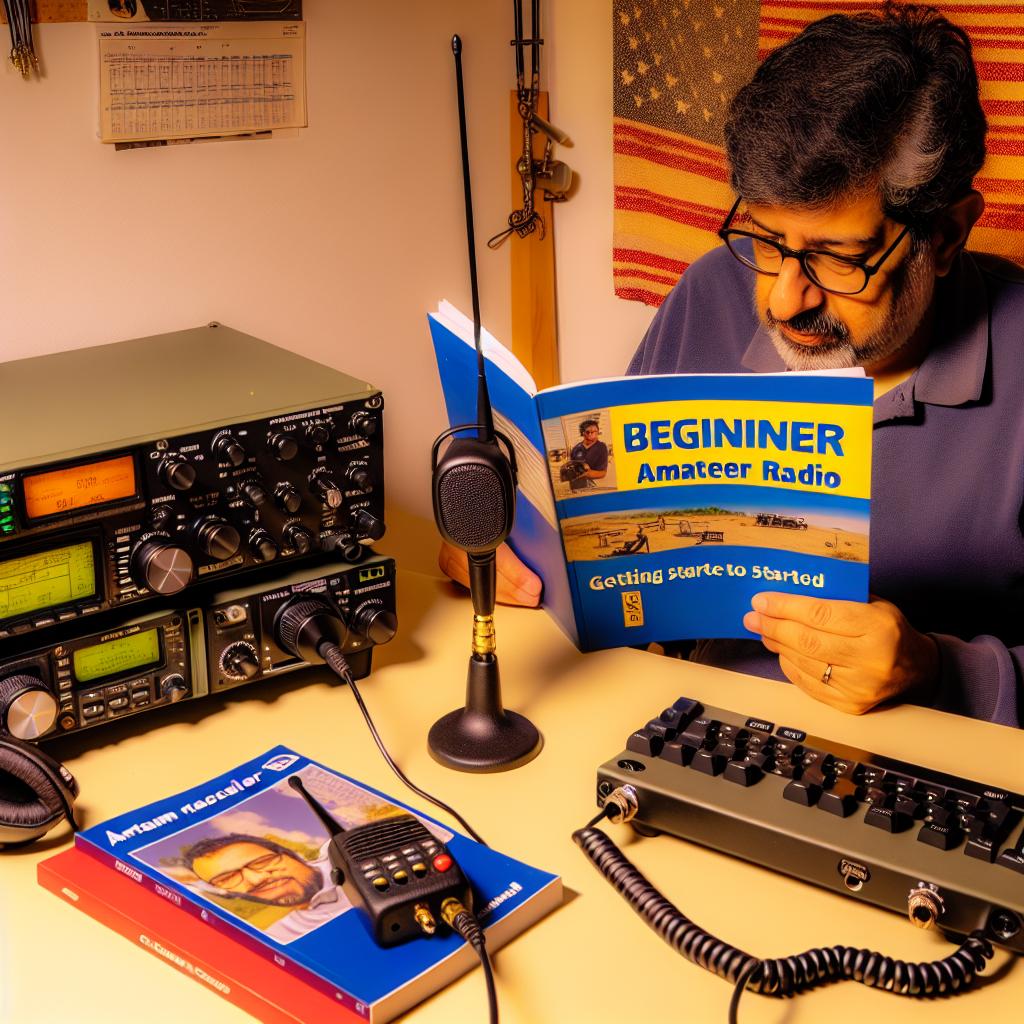
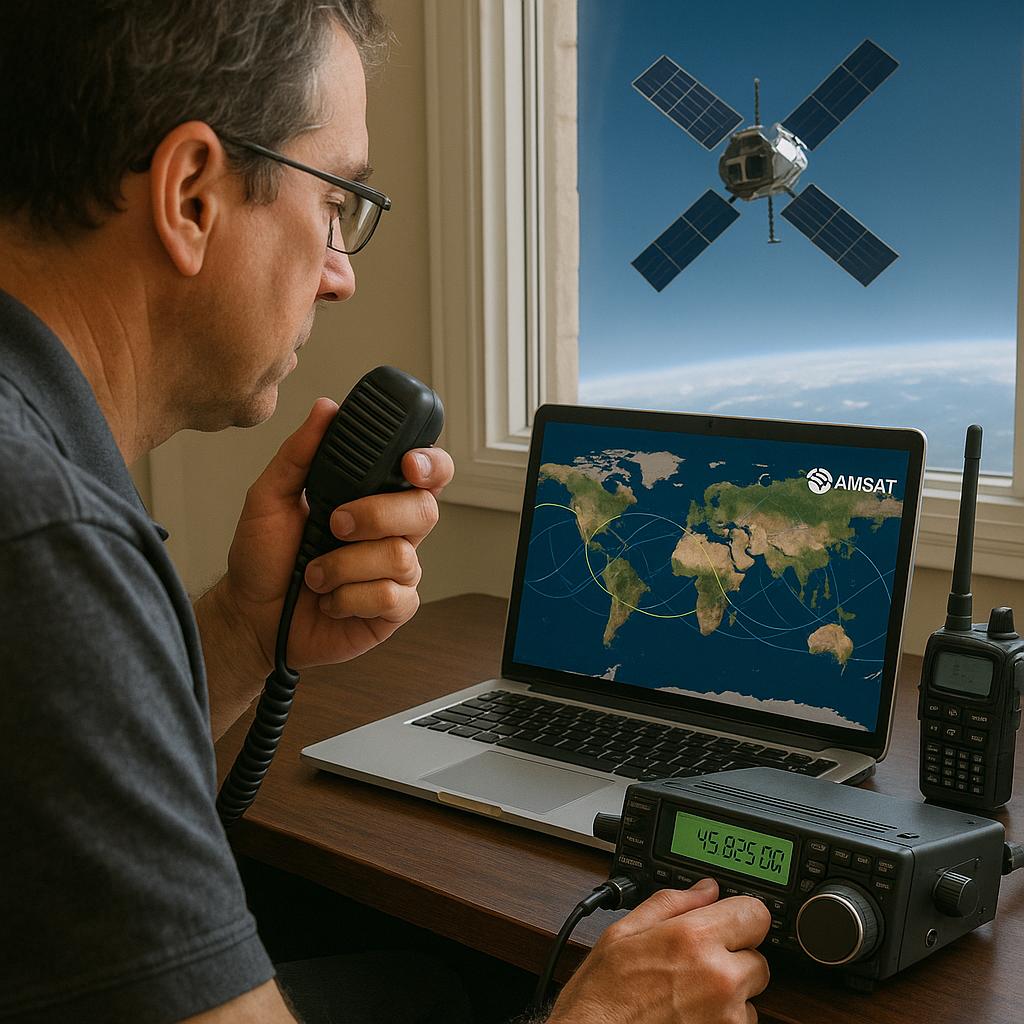
Ham radio operators, often referred to as radio amateurs, utilize internationally designated radio frequencies for non-commercial communication purposes. The primary allure of ham radio is its resilience and independence from conventional infrastructure that might falter during crises. Radio amateurs have the ability to communicate on a local, national, and even international scale, making ham radio a versatile tool in both everyday and emergency situations.
Licensing and Equipment
To operate a ham radio, individuals are generally required to obtain a license in most countries. This regulatory measure ensures operators are knowledgeable about proper protocols and safety measures associated with radio operation. The essential equipment for ham radio operation includes a transceiver, an antenna, and a power supply. The sophistication of the technology can vary, encompassing simple handheld radios to intricate base stations that possess global communication capabilities.
Role of Ham Radio in Emergencies
In emergency situations, the ability to communicate is vital for the coordination of relief and rescue efforts. Instances may arise where cell towers are non-operational or internet services are interrupted; in such cases, ham radio offers a reliable communication modality.
Advantages in Emergencies
Ham radios provide several advantages during emergencies:
1. Resilience: Ham radios function independently of typical communication infrastructures like cellular networks and urban internet providers.
2. Versatility: They are particularly valuable in remote regions where other communication methods might not be operational or accessible.
3. Coordination: Ham radios are instrumental in facilitating communication and coordination among emergency services, hospitals, and volunteers engaged in relief efforts.
Historical Examples
Throughout history, ham radio operators have been pivotal in disaster response scenarios. A notable instance occurred during Hurricane Katrina, where cellular services were rendered inoperative. Ham radio operators played a fundamental role in relaying essential information and coordinating rescue endeavors, demonstrating the indispensable utility of ham radio in crisis communication.
Integrating Ham Radio with CERT Training
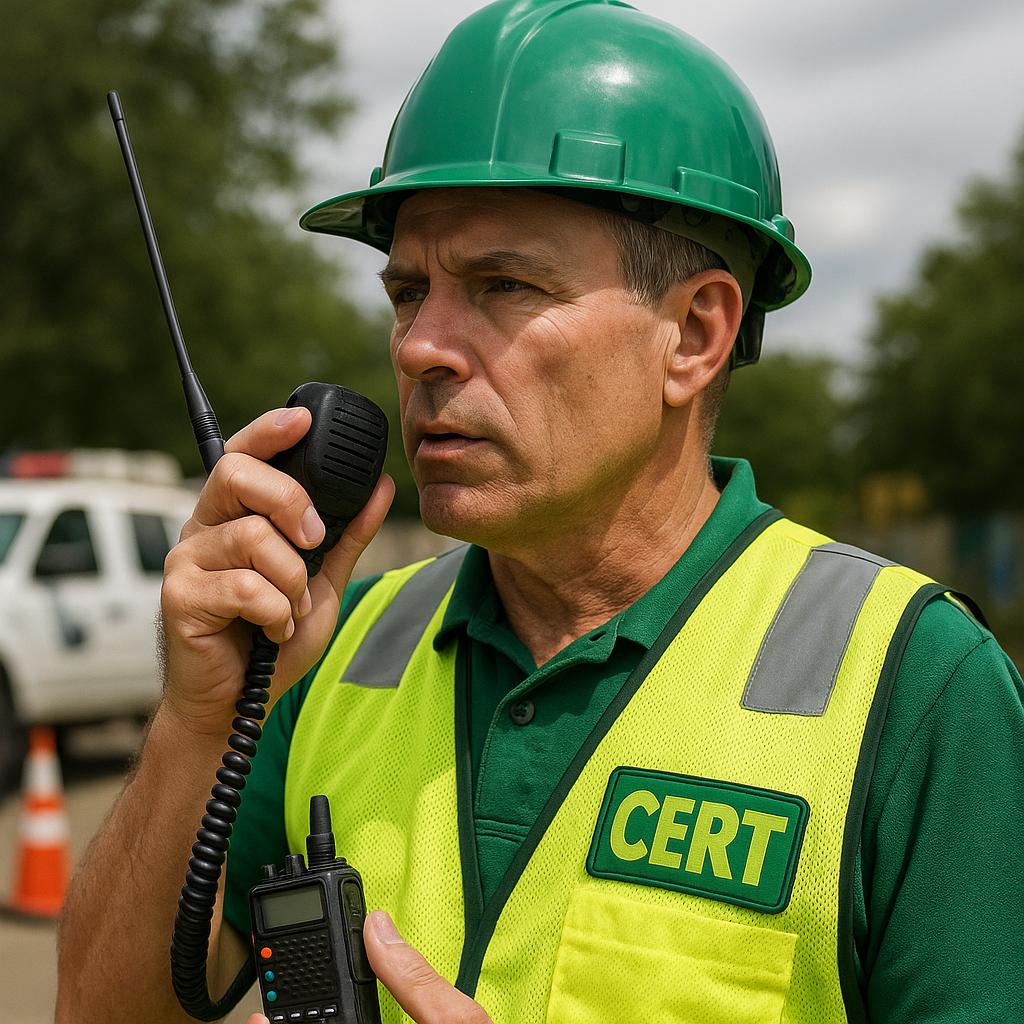
The Community Emergency Response Team (CERT) program is aimed at educating volunteers about disaster preparedness and response strategies. The integration of ham radio training into CERT programs significantly enhances community capabilities to respond effectively in emergency situations.
Benefits of Integration
Incorporating ham radio into CERT training confers several benefits:
1. Enhanced Communication: By including ham radio training, CERT members ensure consistent and reliable communication channels during crises.
2. Increased Coordination: Ham radio facilitates enhanced coordination among various emergency response teams, improving overall efficiency.
3. Skill Development: Participants in CERT programs gain practical communication skills that are applicable during actual emergency conditions, enhancing their operational preparedness.
Training Programs
Numerous CERT programs now encompass fundamental ham radio training courses. These programs address essential aspects of ham radio operation, emergency communication protocols, and radio frequency utilization. Prospective volunteers interested in local CERT programs can obtain more information through community centers or governmental websites. To explore additional resources, organizations such as the ARRL (American Radio Relay League) and similar entities in other regions offer valuable insights and guidance.
Conclusion
In conclusion, ham radio remains an invaluable tool in emergency preparedness and response scenarios. Its integration within CERT training programs enhances community resilience, providing volunteers with crucial communication skills during disasters. As emergency management professionals seek robust and adaptable solutions, ham radio emerges as a reliable partner in ensuring effective communication when it is most needed. It stands as a testament to the power of technology to bridge communication gaps and support the collective goals of safety and preparedness during times of crisis.