The Appeal of Homebrewing Amateur Radio Equipment
Homebrewing your own amateur radio equipment is a fascinating and rewarding endeavor. It provides an opportunity to understand radio technologies more intimately and tailor setups to personal needs. This approach is often pursued by amateur radio enthusiasts, also known as hams, who relish building and experimenting with their equipment.
The Basics of Radio Wave Propagation
Understanding radio wave propagation is crucial in homebrewing. Radio waves travel through the air and can be affected by various factors such as terrain, atmospheric conditions, and frequency. These factors influence how far and how clearly signals can be transmitted and received. Hams often experiment with different frequencies to optimize performance.
To build and optimize amateur radio equipment effectively, a fundamental understanding of how radio waves behave is essential. Radio waves are a form of electromagnetic radiation, similar to light waves, but with longer wavelengths. They can travel vast distances, making them ideal for communication purposes. However, their journey through the atmosphere is subject to various environmental influences.
Reflection occurs when radio waves bounce off surfaces such as buildings or mountains. This can extend the range of transmission but may also cause signal distortion. Refraction involves the bending of radio waves as they pass through different layers of the atmosphere, affecting their path and reach. Diffraction allows radio waves to bend around obstacles, providing coverage even when the transmitter and receiver are not in direct line of sight.
Frequency Bands and Licensing
When getting started, it is essential to be aware of the frequency bands allocated for amateur radio. Each country has its own regulatory body that assigns these bands, and operators must be licensed to transmit on them. For more information about licensing, operators can refer to their local regulatory authority or organizations like the International Amateur Radio Union (IARU).
Different frequency bands have different propagation characteristics, making some more suited for certain applications than others. For instance, lower frequency bands (e.g., HF bands) are excellent for long-distance communication, while higher frequency bands (e.g., UHF and VHF) are more suited for local communication.
The licensing process ensures that operators have a foundational understanding of the regulations and technical aspects of operating on the various amateur radio bands. This includes knowledge of permitted frequencies, power limits, and operating procedures to minimize interference and ensure efficient use of the radio spectrum.
Essential Components
Building amateur radio equipment involves several key components. Most projects will include a transmitter, a receiver, an antenna, and a power supply. Each component serves a vital role:
Transmitter: Converts audio or data signals into radio waves for transmission. The transmitter’s power output and frequency stability are crucial for effective communication. Homebrewers often start by building a low-power transmitter, known as a QRP transmitter, which is less complex and ideal for learning.
Receiver: Converts incoming radio waves back into audio or data. The receiver needs to have good sensitivity and selectivity to pick up weak signals and differentiate between closely spaced frequencies. Homebrewers may experiment with different types of receivers, such as superheterodyne or direct conversion receivers, each with its own advantages.
Antenna: Sends and receives radio waves to and from the air. The design and placement of the antenna are critical for maximizing signal strength and coverage. Simple antennas like dipoles or verticals are popular starting points for homebrewers due to their ease of construction and effectiveness.
Power Supply: Provides the necessary electrical power for operation. A reliable power source is essential for consistent performance. Homebrewers often use regulated power supplies to ensure stable voltage and current, avoiding disruptions in transmission.
Choosing the Right Tools
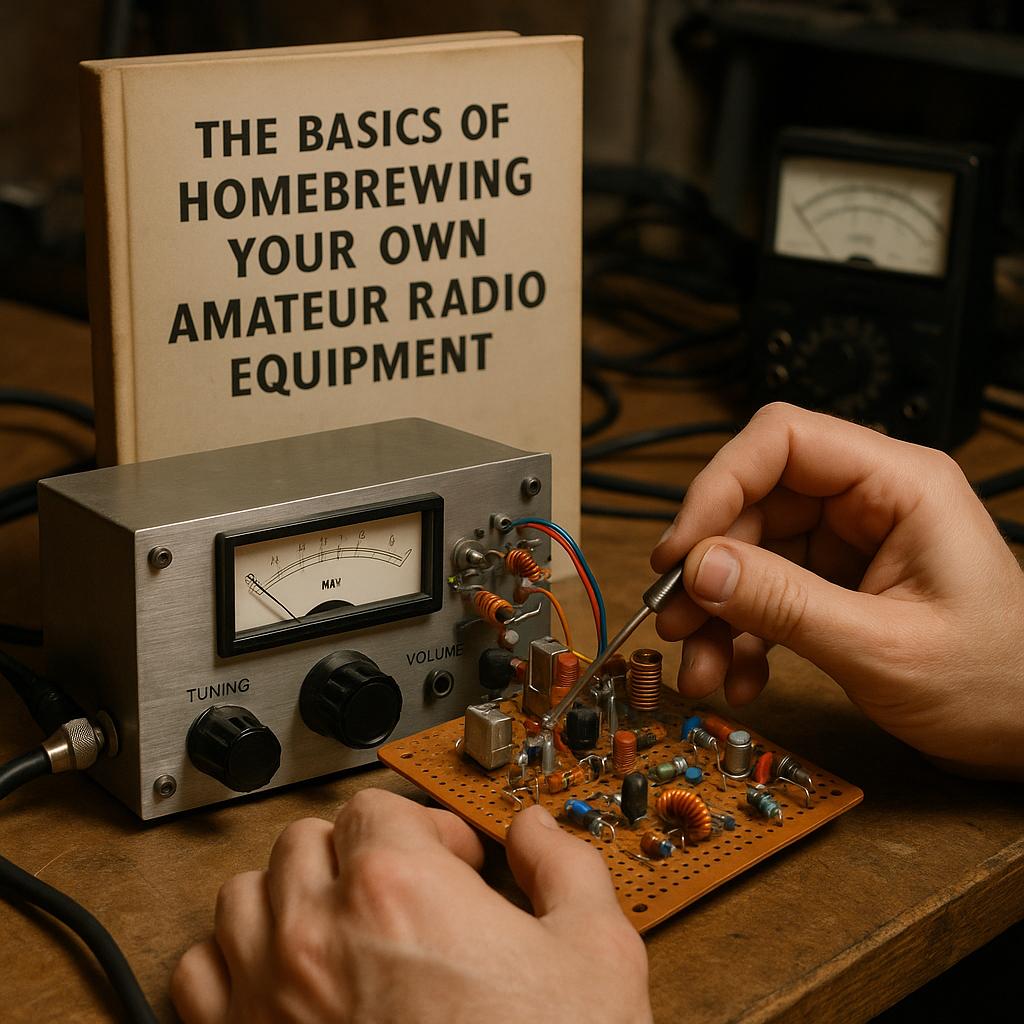
As with any electronics project, the right tools are indispensable. A good quality soldering iron is critical for making reliable connections. A multimeter will be necessary for testing circuits, while a spectrum analyzer might be helpful for more advanced diagnostics. Kits and components can be purchased from specialty retailers that cater to amateur radio enthusiasts.
The choice of tools can significantly impact the quality and reliability of the final product. Beginners should focus on acquiring essential tools such as wire cutters, pliers, and screwdrivers, which are fundamental to working with electronic components.
Experienced homebrewers might invest in more advanced equipment, such as an oscilloscope, for visualizing signal waveforms, or a signal generator, for testing and troubleshooting. These tools can provide deeper insights into circuit performance and help diagnose issues more effectively.
Safety First
When working with electronic components, safety should always be a priority. Ensure good ventilation, proper grounding, and avoid working with live circuits to prevent electrical hazards. Handling components with care and using appropriate protective gear, such as safety goggles and gloves, can help prevent accidents.
Taking precautions to avoid static electricity is crucial, as static discharge can damage sensitive components. Using an antistatic wrist strap and working on a non-conductive surface can mitigate this risk. Additionally, ensuring all solder joints are clean and free of debris helps maintain electrical connections and reduces the chance of short circuits.
Resources for Homebrewers
Countless resources exist for those interested in homebrewing amateur radio equipment. Joining a local ham club can provide invaluable hands-on learning experiences and mentorship. These clubs often organize field days, workshops, and contest events where members share their experiences and build camaraderie.
Online forums and communities offer a wealth of knowledge and support. Websites, social media groups, and discussion boards are excellent platforms for exchanging ideas, seeking advice, and showcasing projects. Many experienced hams willingly share their expertise, helping newcomers overcome challenges and refine their skills.
Additionally, books and technical manuals on radio engineering provide comprehensive guides to building and understanding radio equipment. Publications on topics such as electronics, antenna design, and signal processing can deepen understanding and inspire innovative projects.
In conclusion, homebrewing amateur radio equipment can be a deeply satisfying hobby that combines elements of science, engineering, and creativity. By understanding the basics of radio wave propagation, employing the right tools, and adhering to safety practices, enthusiasts can effectively build their radio systems. The journey from assembling components to hearing that first received signal marks the beginning of a rewarding and educational venture into the world of radio communications.
Homebrewing not only hones technical skills but also fosters a sense of community among enthusiasts worldwide. The collaborative spirit and shared enthusiasm for radio technology make it an enriching and ever-evolving pursuit.