Introduction to the 6-Meter Band
The 6-meter band, distinguished by many as the “Magic Band,” occupies a notable place within the amateur radio spectrum. Embracing frequencies ranging from 50 MHz to 54 MHz, this band offers distinctive features that captivate amateur radio enthusiasts worldwide. Distinguished by its fluctuating propagation characteristics, the 6-meter band provides challenges as well as rewards, making it a preferred choice for many radio operators.
Propagation Characteristics
The defining feature of the 6-meter band is its sporadic-E propagation, typically manifesting during the late spring and summer months. This mode of propagation is unique due to its unpredictability, enabling radio waves to traverse extensive distances with remarkably low power output. Distances reached by these signals can extend over thousands of kilometers, fostering exciting opportunities for international communication. Furthermore, the band occasionally supports tropospheric ducting, a phenomenon where signals propagate along atmospheric layers formed by weather fronts and temperature inversions.
Importance of Sporadic-E
Sporadic-E propagation is a compelling aspect of the 6-meter band, primarily because it involves the reflection of radio signals off ionized patches in the Earth’s atmosphere. This process creates a skip effect, allowing operators to establish communication across vast geographical expanses, often with little notice beforehand. The inherent sporadic nature of this phenomenon adds an element of surprise and excitement, with the potential for operators to forge unexpected long-distance connections.
Equipment and Licensing
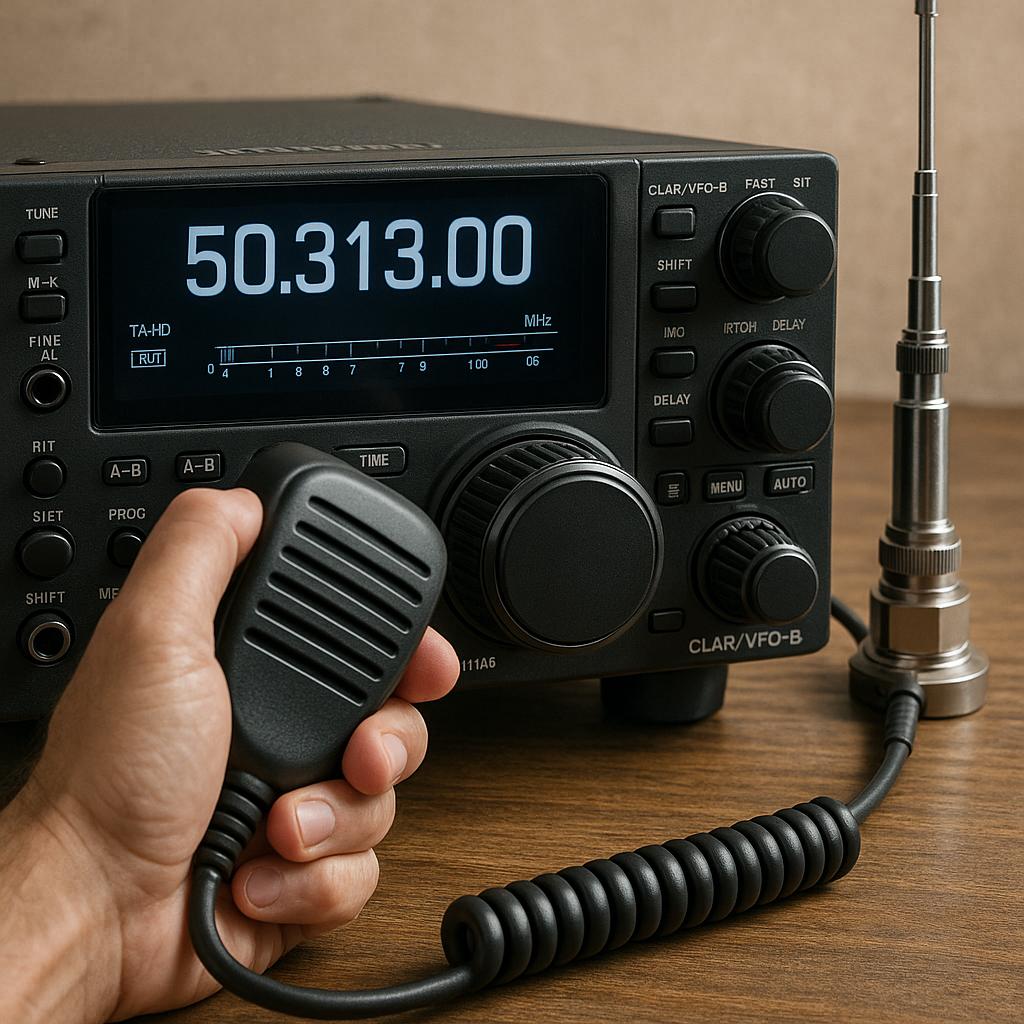
Engaging with the 6-meter band necessitates the use of radio transceivers equipped for operation within the 50 to 54 MHz frequency range. Many modern HF/VHF transceivers come standard with features accommodating the 6-meter band, facilitating easy access for operators. Beyond the transceiver, antennas designed for this specific band can significantly enhance transmission clarity and quality of contacts.
Licensing Requirements
Operating on the 6-meter band is often contingent upon obtaining the appropriate amateur radio license, with specific requirements differing across countries. It is essential for prospective operators to liaise with their respective national amateur radio authorities to verify compliance with applicable licensing criteria. By fulfilling these requirements, operators ensure legal operation within this band and promote responsible usage within the amateur radio community.
Antenna Choices
A fundamental consideration for successful communication on the 6-meter band is the selection of antennas. The impact of antenna choice on communication quality cannot be understated. Enthusiasts frequently experiment with various antenna designs to optimize performance. Popular choices among operators include dipole antennas, Yagi antennas, and vertical antennas. While each type presents its advantages, consideration of factors such as spatial constraints, ease of installation, and desired communication range is essential.
Yagi Antennas
Yagi antennas are esteemed for their directional properties, providing operators the ability to direct signals toward specific targets. This feature proves advantageous when aiming to establish contact with distant stations, particularly during sporadic-E propagation events where signals can bypass considerable distances. The focused nature of Yagi antennas not only enhances communication efficiency but also augments the operator’s ability to engage with remote stations successfully.
Operating Activities
The 6-meter band is a versatile spectrum supporting multiple operating activities, encompassing local communications and extending to long-distance DXing and contest participation. Many operators derive satisfaction from the unique challenges inherent to the six-meter band, especially in pursuits involving international communication or competitive events.
DXing and Contests
DXing and contest participation are prominent activities within the 6-meter band, drawing enthusiasts eager to test their skills and equipment against others globally. Contests typically align with periods of peak sporadic-E propagation, presenting operators with myriad opportunities to log contacts across expansive regions. The competitive and variable nature of these activities contribute to the allure of operating on the 6-meter band, making it an engaging pursuit for radio operators.
Conclusion
In summation, the 6-meter band stands out within the amateur radio community due to its distinctive challenges and opportunities. Its unique propagation characteristics make it a fascinating subject for exploration, offering the prospect of long-distance communication alongside intermittent propagation conditions. The band provides both an educational platform and an enjoyable pastime for newcomers and experienced operators alike. Those interested in delving deeper into the nuances of the “Magic Band” might benefit from engaging with dedicated amateur radio resources and exchanges available in the broader amateur radio network.