Expanding on Winlink for Email Over Ham Radio
Winlink is an intriguing blend of technology that merges traditional radio communication with modern digital communication systems. Designed primarily for amateur radio operators, it serves as a crucial tool in ensuring these operators can maintain connectivity, especially during emergencies when conventional communication systems fail. In expanding on this topic, we delve deeper into the key components, the technical process, and the various applications that make Winlink a cornerstone in the realm of radio communications.
Understanding the Concept of Winlink
Winlink 2000, as it is commonly known, transcends the limitations of traditional radio communication by integrating email capabilities. For users situated in areas where the internet is either unreliable or entirely unavailable, Winlink offers a unique solution. This system not only empowers radio operators to send and receive messages but also acts as an essential bridge connecting radio frequencies to the internet realm.
Winlink’s design allows it to foster communication without needing a continuous internet connection—merely a single point of contact, like an RMS, can serve many users. This is especially beneficial for regions prone to natural disasters where infrastructure might be compromised.
The Inner Mechanism of Winlink
At its core, Winlink operates through an intricate network of Radio Message Servers. Each server receives messages via radio frequencies and, using a routing protocol, directs them to the appropriate internet-based email destination. This process essentially converts radio signals into email messages, which are then seamlessly routed as if they were conventional emails sent over the internet.
A standard transmission might involve using High Frequency (HF) radio bands, known for their long-distance capabilities. The RMS serves as a focal point, effectively operating as a translation and connection hub by decoding radio transmissions and managing their journey through the internet, ultimately delivering them to the recipient.
Equipment and Setup Requirements for Winlink
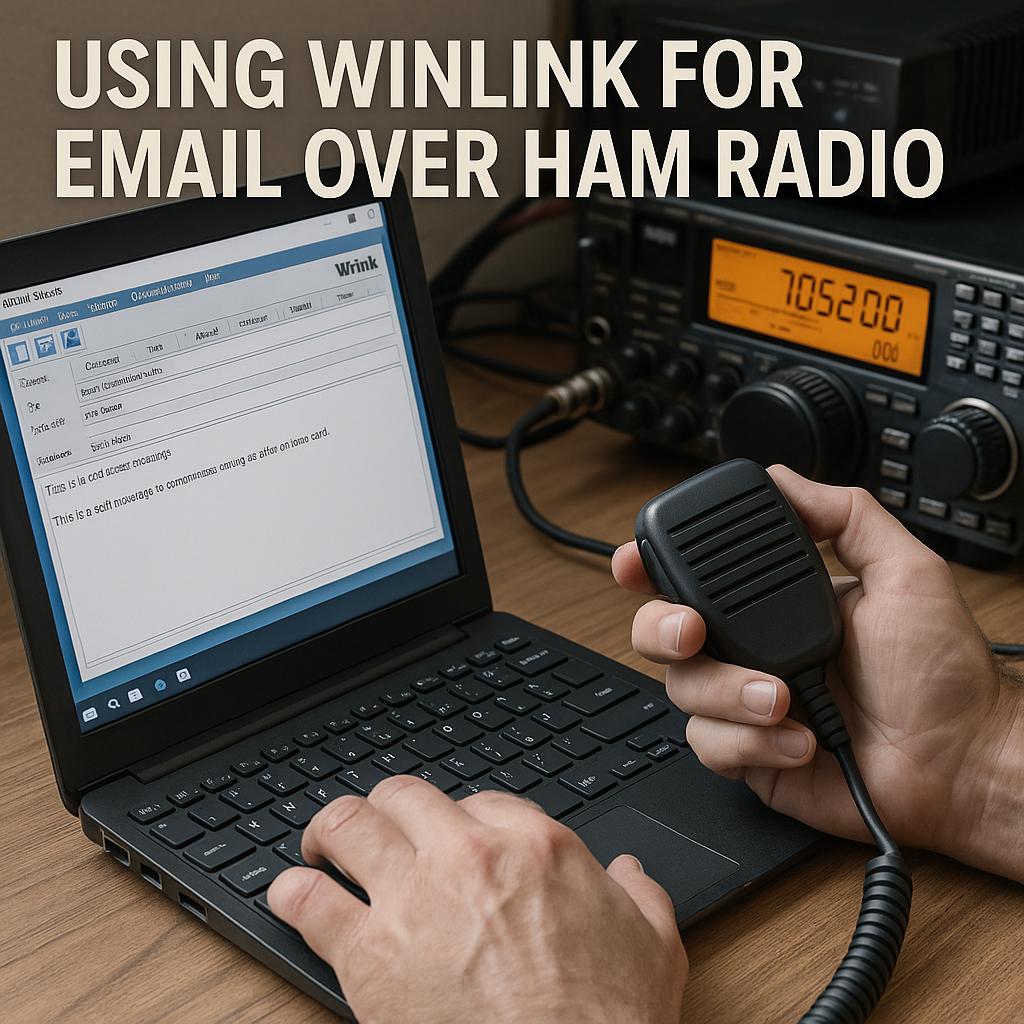
Embarking on the journey of using Winlink necessitates certain equipment and software. Firstly, aspiring users need a reliable radio transceiver capable of handling appropriate frequencies. This is paired with a computer, which will serve as the control hub for composing, sending, and receiving messages. An Interface Device or a sound card acts as the connection between the radio and the computer, enabling the conversion of audio signals into digital data.
The software aspect primarily involves using Winlink Express, a dedicated program designed to manage Winlink activities. Users need to configure this software to align with their specific radio settings and register an email address that forms part of their Winlink identity. While the initial setup might seem daunting to newcomers, comprehensive guides and community support are readily accessible.
Winlink and Emergency Communication (EmComm)
Among its various applications, Winlink finds its strongest purpose in emergency communication scenarios, aptly referred to as EmComm. During natural disasters like hurricanes, earthquakes, or floods, traditional communication infrastructures can become overwhelmed or incapacitated. In such dire circumstances, Winlink-equipped amateur radio operators play a pivotal role.
By maintaining lines of communication through radio and email, these operators ensure that emergency services and humanitarian organizations can coordinate efforts effectively. This might involve relaying critical information, requesting resources, or simply reporting on local conditions—actions that can help save lives.
Beyond Emergency Situations: Other Use Cases
The utility of Winlink extends beyond emergencies. Sailors often rely on this system for maritime communication, where the expanse of the ocean renders other forms of communication impractical. By leveraging Winlink, sailors can receive updated weather reports or send status updates irrespective of their location on the high seas.
For adventurers and explorers who venture into remote and undeveloped regions, Winlink offers a lifeline. It allows them to maintain contact with the outside world, thereby ensuring their safety and enabling them to request assistance if needed. Non-governmental organizations involved in humanitarian missions also utilize this system to coordinate efforts in areas lacking stable communication infrastructure.
Resources and Learning Opportunities
Becoming proficient in using Winlink involves a combination of technical understanding and practical experience. There are myriad resources available for new users, ranging from community forums to official documentation and tutorials. These resources cater to various expertise levels, ensuring that both novice and seasoned operators can expand their skills.
The official Winlink website serves as a comprehensive repository of information, offering guides on equipment setup, software configuration, and troubleshooting. Users are encouraged to collaborate with local amateur radio clubs or online communities, benefitting from shared knowledge and experiences.
In conclusion, Winlink stands as a testament to the ingenuity present within the amateur radio community. By merging time-tested radio technology with modern digital communications, it offers unparalleled versatility and reliability. Whether in times of peace or crisis, Winlink ensures that the lines of communication remain open, keeping individuals and communities connected, no matter the circumstances.